 Alliance Equity Research
Blue Moon’s Turner Acquisition Adds Ore Potential for a New Nevada Mill
Blue Moon Metals has acquired the Turner copper-gold deposit in Oregon and plans to study processing its ore alongside material from the company’s California mine at a new mill in Nevada. Sharing a mill could spread construction and operating costs across two mines, but the study must show that rail transport and recoveries leave enough value to justify the investment. The purchase adds 4.78 million shares and $7 million in deferred cash payments whose timing depends on permits and production. The existing tungsten mill at the Nevada site is on a separate restart schedule.

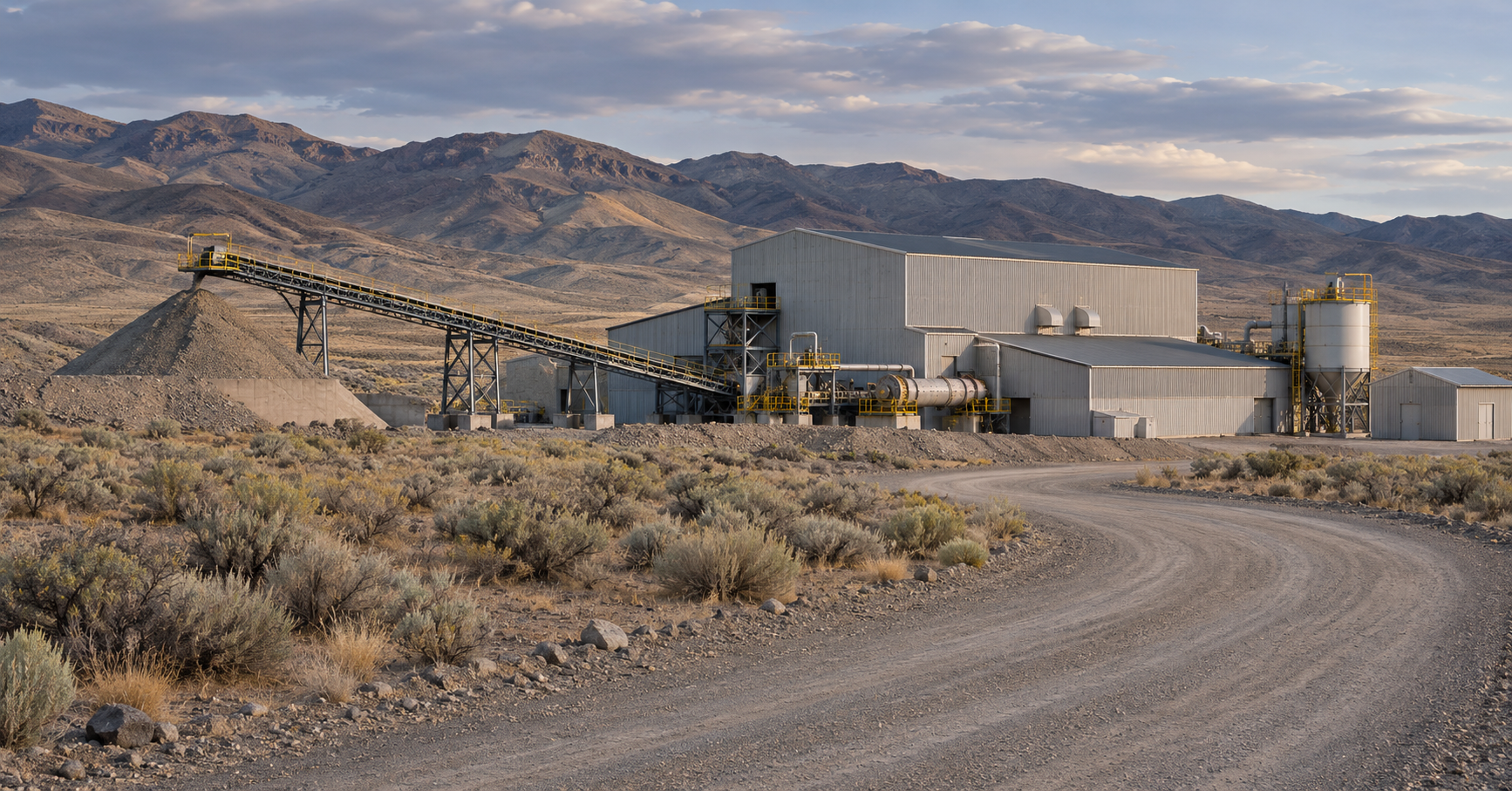
Blue Moon Metals announced on Nov. 19 that it had completed the acquisition of Turner, a former copper-gold producer near O’Brien, Oregon. Turner could supply a proposed Nevada processing plant alongside ore from Blue Moon’s California mine. One plant could serve both mines and spread its fixed costs across more production. Blue Moon has committed $38.7 million in nominal cash and stock consideration, before the production royalty. Whether the shared plant makes economic sense depends on how much ore each mine can deliver, what it costs to get it to Nevada, and how much saleable metal the plant can recover.
What Blue Moon bought
Blue Moon develops previously mined properties. Its portfolio includes the Blue Moon zinc, gold, silver and copper project in California, the Springer tungsten complex in Nevada, and an interest in the Nussir copper mine under construction in Norway. Turner expands its U.S. portfolio as the company prepares to sell its Norwegian business to ACG Metals. If that sale closes, ACG would take over the Nussir build while Blue Moon concentrates its development spending on its U.S. projects.
Blue Moon bought the Turner property from Gold Coast Mining, subject to a 1.5% net smelter return royalty payable to New Moly. The royalty gives New Moly a share of metal sales proceeds after applicable deductions. Blue Moon paid $4.7 million in cash, including a $500,000 signing deposit. It also agreed to issue 4,778,761 shares, valued for the deal at $27.0 million using a pre-agreement trading price of $5.65 per share. The shares are scheduled for release from escrow in four tranches starting April 1, 2027, with provisions that can accelerate the releases if the stock reaches specified price thresholds.
Blue Moon reported 104,980,832 shares outstanding on Nov. 12. Using that count as the starting point, the deal shares would increase the share count by 4.55% and give Gold Coast 4.35% of the enlarged total, assuming no other issuance. Paying chiefly in shares limits the cash Blue Moon had to spend at closing and gives the seller a stake in the broader company.
The Nov. 20 correction to the closing release clarifies how the remaining $7 million in cash comes due. Two $2 million payments are linked to permits, first for underground exploration or development and then for mining. A further $3 million is due six months after commercial production starts. If part of the $7 million remains unpaid at the sixth anniversary of closing, annual $500,000 installments apply for up to four years, with later milestone payments credited against them. Any remaining balance is due on the tenth anniversary. Delays can defer the cash outlay, but Blue Moon ultimately owes the full amount under the disclosed terms.
Two mines could share one plant
Blue Moon’s September announcement outlined a proposed 1,800-ton-per-day flotation mill at Springer. Flotation separates valuable minerals from ground ore to produce concentrates that can be sold to smelters. Blue Moon expects ore from Oregon and California would travel primarily by rail and plans to study whether that route is viable. It has also agreed to acquire nearby land and water rights with potential rail access. Its September-quarter filing put the expected land closing in January 2027, subject to closing conditions.
A shared mill could avoid building two plants and spread staffing and maintenance costs across more ore. Freight, loading, unloading and separate handling for the two ore sources would reduce those savings. The amount of metal recovered also matters. If blending the ores reduces recoveries or produces a concentrate that buyers pay less for, Blue Moon could study running the materials through the same equipment in separate batches. That approach could still save capital if the plant can make saleable concentrates from both sources.
Turner’s historical 2010 estimate identified 2.45 million tons in the indicated category grading 1.25% copper and 2.79 grams of gold per metric tonne. It also identified 2.08 million tons in the lower-confidence inferred category grading 0.99% copper and 2.73 grams of gold per metric tonne. Blue Moon treats both estimates as historical. They give the company a starting point for drilling, while a current resource estimate, mine plan and further metallurgical work would help establish how much Turner ore could reach the mill each year. Historical testing produced separate copper, zinc and gold concentrates from Turner ore.
The California project is further along. On Nov. 19, Blue Moon reported federal approval of its California mine plan. It had advanced the underground exploration ramp about 4,000 feet and begun drilling to improve confidence in the resource. Ancillary approvals remain in progress. Blue Moon is also evaluating whether to pay another operator to process its California ore, which could allow production to start sooner. The company previously estimated 12 to 18 months to permit exploration and underground development at Turner. That difference in timing matters when deciding how large a shared plant to build and when to build it.
How Blue Moon is funding its U.S. projects
Springer already has a mill that Blue Moon is refurbishing for tungsten, with a restart targeted for late 2027. The Elmet Group backed that program through an October private placement that raised C$35 million gross, about US$25 million at the exchange rate implied in the September announcement. Elmet received 3.5 million Blue Moon shares and 3.5 million three-year warrants exercisable at C$10.80. Full exercise would provide another C$37.8 million and add shares equivalent to 3.33% of the Nov. 12 share count.
The broader Springer agreement also contemplates a $50 million prepayment that Blue Moon would repay through credits against tungsten concentrate sales. A proposed joint venture would restart a downstream tungsten processing plant, with Elmet holding 70%, Blue Moon 20% and EQ Resources 10%. Blue Moon would retain the Springer tungsten mine and mill. Its September-quarter filing described the prepayment and joint venture as subject to definitive agreements and other closing requirements. The funded placement has a designated use at Springer, and the proposed mine and mill financing is earmarked for tungsten. The proposed copper and zinc mill would require its own capital budget.
Blue Moon’s September financial statements show $66.1 million in cash at Sept. 30, before the October placement and Turner closing. Through September, it used $46.3 million in operating activities and $59.7 million in investing, with $106.6 million in net financing inflows, mainly from equity. Higher payables and accrued liabilities helped working capital contribute $11.6 million to operating cash flow after changes in receivables and prepayments. Investing included $37.1 million for property, plant and equipment and $17.2 million for the Springer acquisition. The financial statement figures are translated at the Sept. 29 Bank of Canada rate of C$1.4188 per U.S. dollar, the last published rate before quarter-end.
The proposed sale of Blue Moon Norway to ACG Metals would shift responsibility for completing Nussir to ACG. Blue Moon would receive ACG shares valued at $220 million before adjustments and expects to repay about $12.6 million of bridge principal, plus accrued interest and a $2.8 million break fee, in connection with closing. The companies intend to distribute the ACG shares to Blue Moon shareholders after closing. The sale would reduce Blue Moon’s direct construction commitments in Norway, while any new Nevada mill would still draw on its own funding.
What the shared mill study needs to show
As AER’s analysis of Serabi’s shared processing plant showed, a mill can be ready to run before enough ore is cleared to reach it. Blue Moon has the opportunity to account for that risk before committing to a plant. Its combined study, targeted for the end of 2027, should show how much ore each mine can deliver, when deliveries can begin, and what each ton costs by the time it reaches Nevada. Those figures, together with expected metal recoveries, will show whether sharing a plant saves enough to justify freight and handling. If Turner starts materially later than the California mine, Blue Moon will need to establish how much mill capacity California ore alone can support in the interim.
This material is provided for informational and educational purposes only and does not constitute investment advice or a recommendation to buy or sell any security.
Companies Discussed
About AER Insights
Alliance Equity Research publishes timely insights on company-specific developments, industry trends, capital markets activity, and emerging investment themes across global public markets, with a particular focus on undercovered companies, sectors, and developments that often receive limited attention from mainstream financial research. Our analysis focuses on the financial, strategic, and valuation implications behind the headlines, using company disclosures, filings, market data, and sector context to help investors understand what matters, why it matters, and what to watch next.
Get AER Insights by Email
Receive new AER Insights and research updates in your inbox.
Related Insights
 Capital Markets & M&A
SpaceX’s $44 Billion GPU Financing Moves Upfront Spending Into Quarterly Lease Payments
Apollo and Goldman Sachs priced about $44 billion of notes to fund computing equipment that an Apollo-managed entity plans to lease to SpaceX. The financing spreads the cost of NVIDIA’s next-generation chips over roughly five years per delivery, with quarterly rent starting when the equipment arrives. SpaceX’s AI business reached operating profitability in the September quarter while continuing to spend heavily on capacity. The economics of the new leases will depend on how quickly SpaceX can make that capacity available to cloud customers and earn enough from it to cover rent and operating costs.
 Industrials & Aerospace
MasTec’s $1.25 Billion Murphy Deal Adds Maintenance Work That Outlasts Construction
MasTec agreed to pay approximately $1.25 billion in cash for Murphy, a mechanical contractor that installs and maintains systems in data centers, hospitals, factories and other facilities. Murphy’s projected $140 million of 2026 adjusted EBITDA implies an upfront price of about 8.9 times that figure, before a possible earnout. The acquisition adds skilled crews and gives MasTec a route to service work after construction ends. The price reflects earnings that have yet to be realized for the full year. The cash Murphy contributes after financing costs, equipment spending and working capital will help determine how quickly MasTec can reduce leverage.
 Mining & Critical Minerals
Atalaya Adds Two Spanish Copper Projects as Its Growth Pipeline Competes for Capital
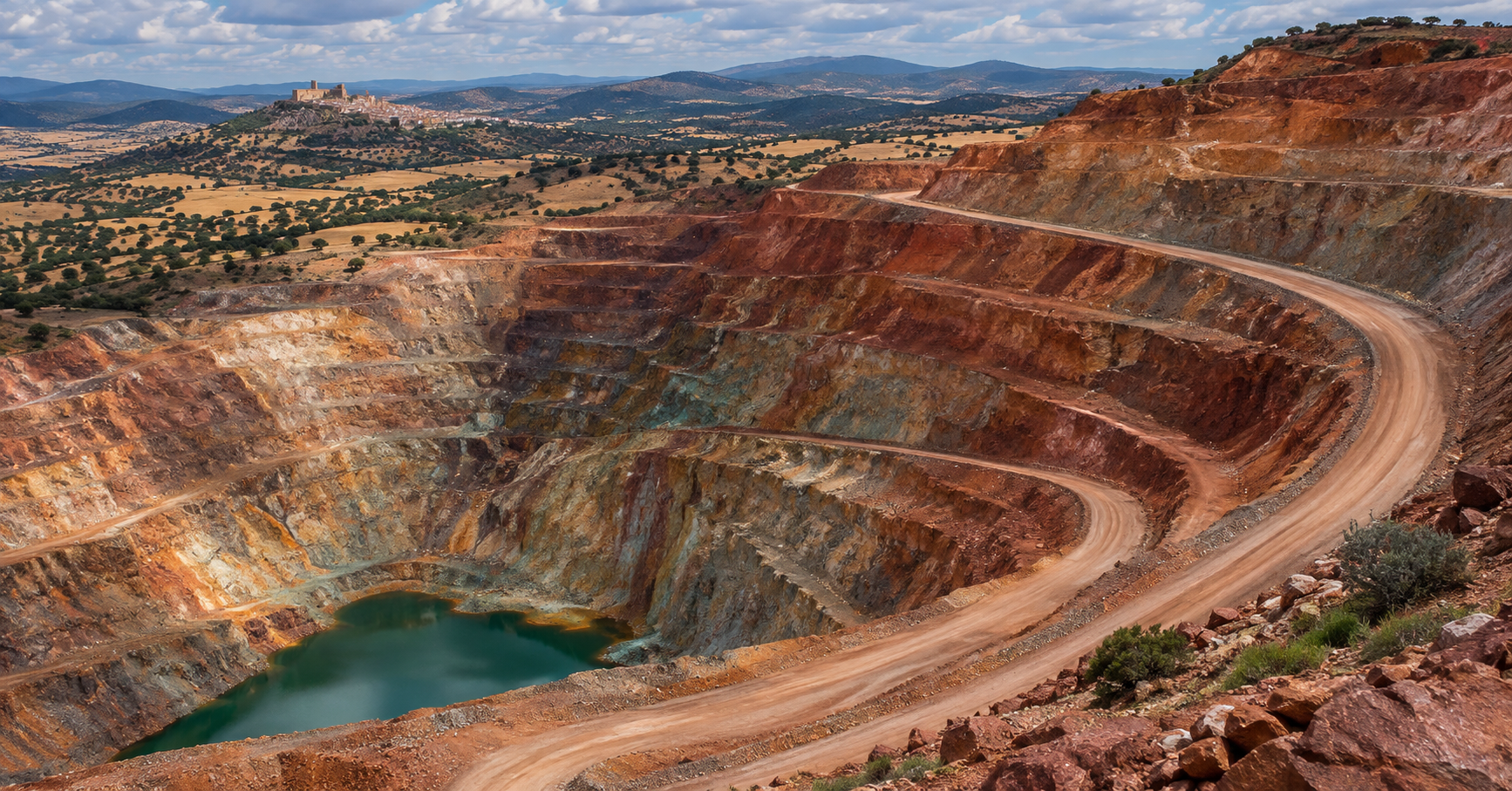
Atalaya Mining has acquired the former Tharsis and La Zarza mines in southern Spain for €125 million, adding large copper-bearing resources to a portfolio already led by its operating Riotinto complex and the proposed Touro development. The purchase follows a quarter of record EBITDA, helped by higher copper prices and increased sales. Although Atalaya paid €75 million upfront from cash, another €50 million is due within a year. The value of the expansion will depend on permitting, processing economics and how the new assets fit alongside existing investment priorities.
 Mining & Critical Minerals
Meridian’s Cabaçal Financing Offers Advance a Mine With Important Terms Unsettled
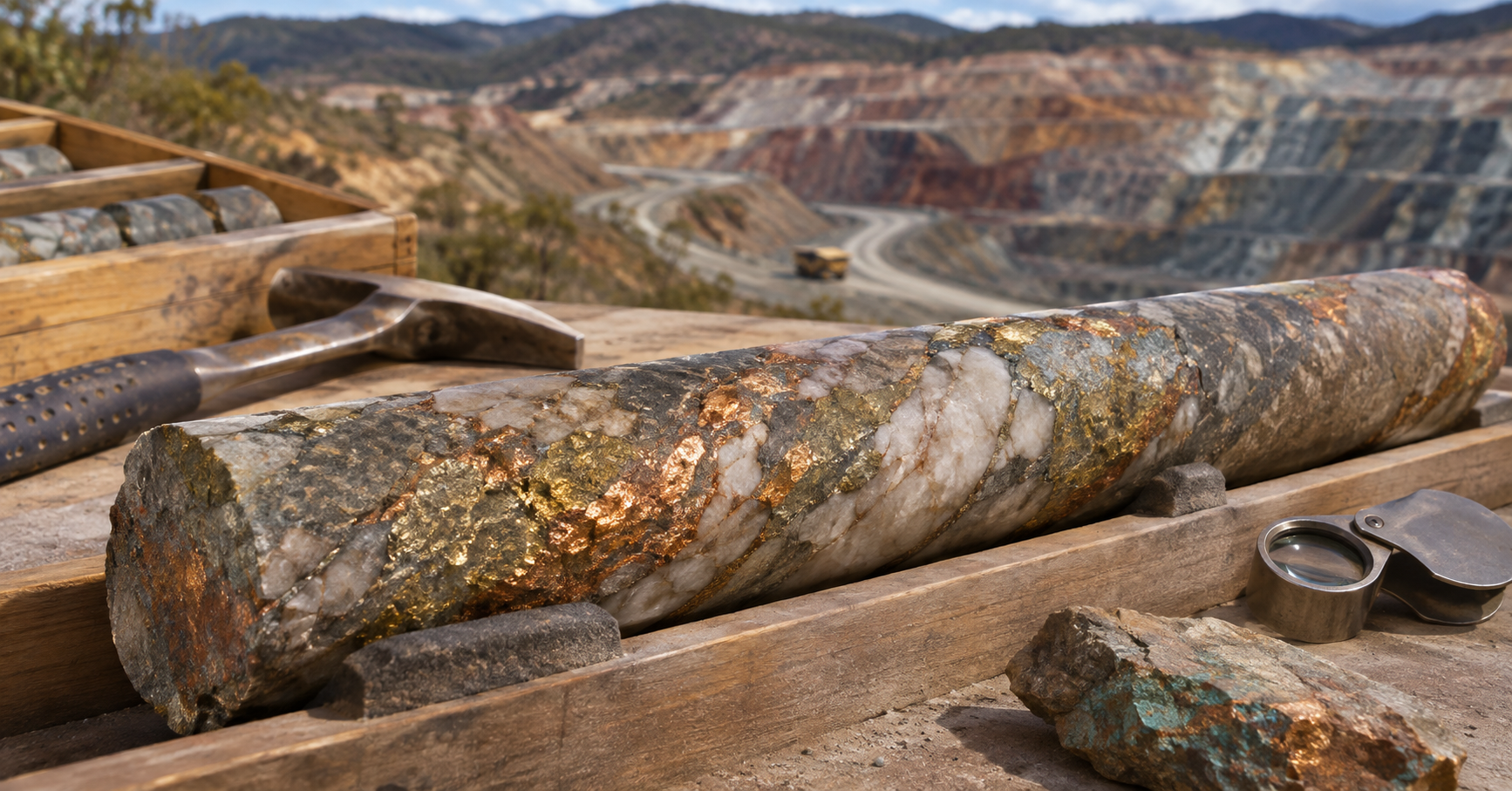
Meridian Mining has appointed an engineering and construction management contractor for its Cabaçal copper-gold project in Brazil and received indicative financing proposals, including packages totaling $400 million. The project’s feasibility study models a $2.09 billion after-tax net present value, but its initial capital estimate relies on tax credits and excludes financing charges. The financing offers remain subject to negotiation, while the mine installation permit was under review in the October technical report. The crucial issue for investors is how much of the modeled project value Meridian can retain after construction funding, sales arrangements and other obligations are settled.
About Alliance Equity Research
Alliance Equity Research publishes independent and company-sponsored equity research on undercovered, emerging, and high-potential public companies globally. Our analyst-built, model-backed research combines fundamental business analysis, financial forecasting, and valuation.
Email: info@alliancekp.com · Website: https://allianceequityresearch.com
For detailed company research, financial models, or coverage inquiries, contact our research team.
Research commentary for informational purposes. This document does not constitute personalized investment advice or a Buy, Hold, or Sell recommendation. For important disclosures, including information about research sponsorship and potential conflicts of interest, visit allianceequityresearch.com/disclosures.