 Alliance Equity Research
Meridian’s Cabaçal Financing Offers Advance a Mine With Important Terms Unsettled
Meridian Mining has appointed an engineering and construction management contractor for its Cabaçal copper-gold project in Brazil and received indicative financing proposals, including packages totaling $400 million. The project’s feasibility study models a $2.09 billion after-tax net present value, but its initial capital estimate relies on tax credits and excludes financing charges. The financing offers remain subject to negotiation, while the mine installation permit was under review in the October technical report. The crucial issue for investors is how much of the modeled project value Meridian can retain after construction funding, sales arrangements and other obligations are settled.

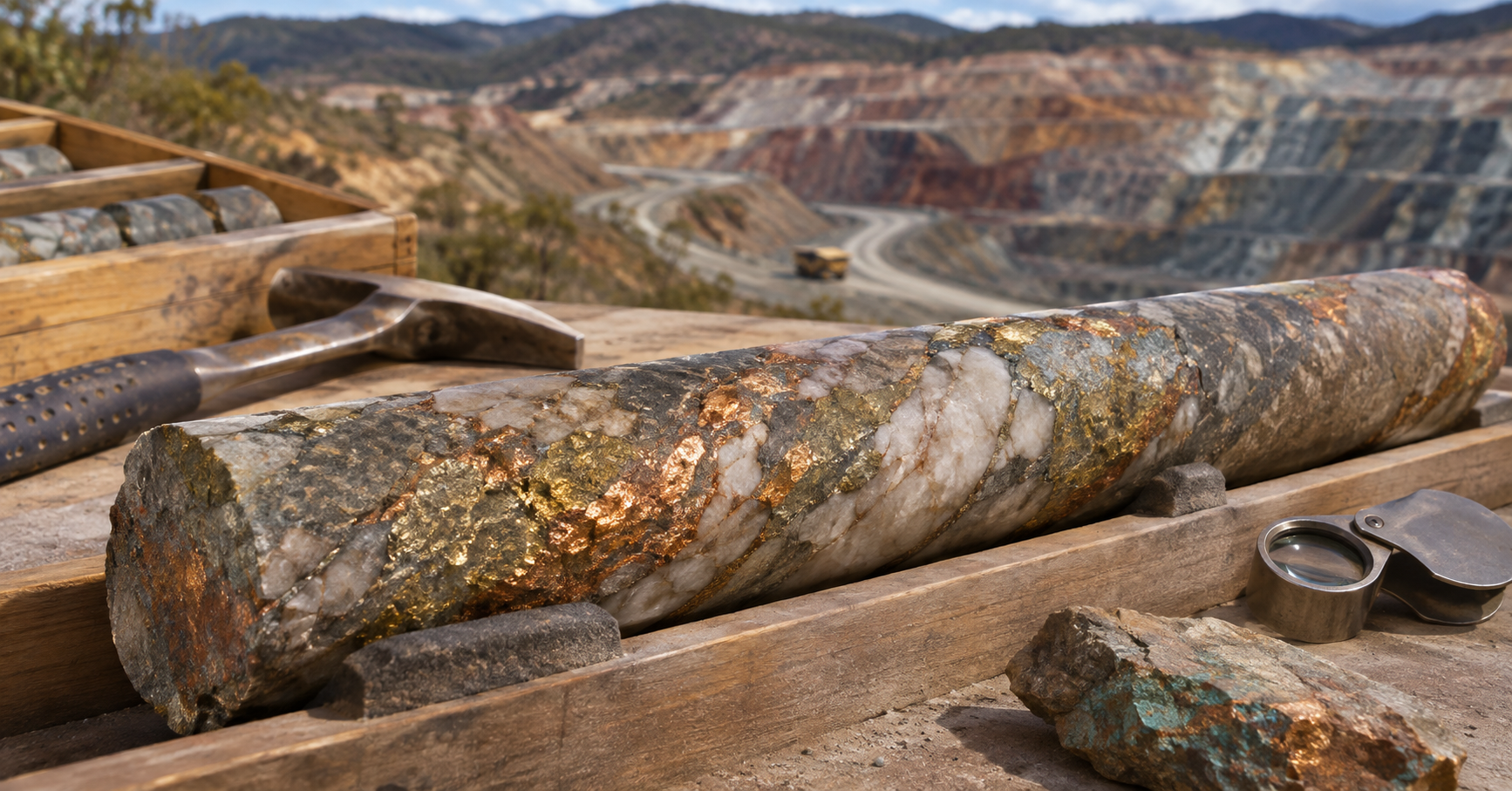
Meridian Mining has received indicative financing proposals for its Cabaçal copper-gold project in Brazil, including several packages totaling $400 million that combine project debt, potential equity and cost-overrun funding. The company has also selected AFRY to manage engineering, procurement and construction and has committed $30.9 million to early contracts. Those steps move Cabaçal closer to a construction decision, but the economic terms of the proposed financing remain open.
The distinction is material because Cabaçal’s feasibility study projects substantial cash generation against a relatively modest initial investment. The value ultimately available to Meridian’s shareholders will depend on how the mine is financed, the terms on which its concentrate is sold and whether construction and operating performance meet the study’s assumptions.
From deposit to concentrate
Meridian is a mineral developer focused on the Cabaçal belt in Mato Grosso, Brazil. The project’s proposed open-pit mine would extract ore containing gold, copper and silver, then process it into a copper concentrate containing precious metals for sale to smelters or traders. The company’s exploration acreage includes other deposits, but the current feasibility model is built around the defined Cabaçal mine plan.
The definitive feasibility study, dated October 28 with an effective date of September 15, 2026, uses proven and probable reserves of 56.04 million tonnes, effective December 31, 2025. Their average grades are 0.61 grams of gold per tonne and 0.35% copper. Reserves are the estimated economically mineable portion of a resource under specified assumptions; the contained metal is not identical to the metal recovered and sold.
Across a modeled 13.9-year mine life, the study estimates recovery of about 984,000 ounces of gold and 398 million pounds of copper, plus silver. It assumes the plant initially processes 2.5 million tonnes a year and expands to 4.5 million tonnes in year four. Contract mining reduces the need to purchase a mining fleet up front, while placing the cost of mining services in operating expenses.
What the $400 million proposals cover
Meridian’s November 9 update says it received more than 20 indicative proposals from potential financiers and commercial counterparties. Multiple proposals contemplated more than $300 million in debt financing. Several separate $400 million packages covered project debt, cost-overrun funding, any required equity contribution and offtake or marketing services. These are alternatives under consideration, not amounts to add together.
Meridian has not disclosed the debt-to-equity split, interest rates, repayment profile, security, conditions or pricing of the associated metal sales. A large package can therefore be attractive without being inexpensive. Debt must be serviced from future cash flow, while equity issued to finance construction would dilute existing owners. An offtake agreement could support funding and provide a sales channel, but its price, fees and delivery commitments affect the value Meridian retains.
The company reported a treasury of approximately $90 million in its November 9 announcement, without giving a separate balance-sheet date for that figure. It provides flexibility during negotiations and early work, although the same resources also support corporate activities and exploration. The $30.9 million represents contracted commitments, not a disclosed amount already paid; it includes engineering, power equipment, access upgrades and processing equipment. Those commitments should not simply be added to the study’s initial capital estimate or subtracted from treasury without knowing their overlap and payment schedule.
The capital plan extends beyond first production
The study’s headline initial capital estimate is $322.36 million after assumed tax credits. Before those credits, the estimate is $343.73 million. The difference matters for funding because costs may have to be paid before recoveries are realized. The study excludes financing charges and interest during construction, so the initial capital estimate is not a complete statement of financing sources and uses.
| Study estimate | Before tax credits | After tax credits |
|---|---|---|
| Initial capital | $343.73 million | $322.36 million |
| Later plant expansion | $60.07 million | $56.34 million |
| Life-of-mine sustaining capital | $81.60 million | $74.05 million |
The expansion is a separate later investment, intended to lift plant capacity in year four. Sustaining capital supports the operating mine, including waste and tailings facilities. The economic model also includes approximately $59 million for closure, before its modeled salvage value. These items are reflected in the project cash-flow analysis; they should not be deducted a second time from the study’s net present value.
The estimate is in second-quarter 2026 dollars and uses 5.40 Brazilian reais per U.S. dollar, with no allowance for escalation or exchange-rate changes. Its stated accuracy range is plus or minus 15%, and it includes an initial contingency. A stronger real or higher local costs could increase the dollar funding requirement; eventual financing and procurement terms determine how that exposure is shared.
A strong model, sensitive to prices
The feasibility study estimates an after-tax net present value of $2.092 billion at a 5% discount rate and a 107.6% internal rate of return. Its assumptions include constant prices of $3,570 per ounce of gold, $5.03 per pound of copper and $50.17 per ounce of silver. The projected 0.9-year payback is a model result, not an independently secured repayment schedule.
Gold has the largest price sensitivity in the study. Holding the other modeled variables unchanged, a 15% reduction in the gold-price assumption lowers after-tax project NPV to $1.780 billion, about $312 million below the base case. A 20% reduction in the copper-price assumption lowers it to $1.874 billion. These are separate scenarios, not a forecast or a combined downside case.
The result is project value before the specific financing package now under negotiation. It cannot be treated as the value of Meridian’s shares: debt claims, financing costs, potential dilution and the commercial terms of metal sales affect what reaches shareholders. Conversely, the combination of a defined reserve, modeled early cash flow and interest from multiple counterparties gives Meridian a basis for comparing proposals rather than relying on a single source of capital.
Meridian’s 2025 financial statements report that it held 49% of the voting shares in the relevant Brazilian holding company while consolidating 100% of it and asserting a full beneficial interest. The study models 100% project ownership. The distinction between voting rights and the company’s stated beneficial interest matters when interpreting project ownership and should be read alongside the legal arrangements and any future financing.
What must happen before construction
AFRY’s appointment gives the project an engineering, procurement and construction management contractor. That role coordinates design, purchasing and construction management; it does not establish a fixed price for the entire mine. Meridian has also secured the installation license for the planned power-line structures and access agreements for the route, while it selects a separate contractor to build the line.
The mine and plant have a separate installation-license process. The feasibility report states that the application was under review and recommends considering construction once that license is granted. The transmission-line approval should therefore not be confused with authorization for all mine and plant works. An operating license is also needed before production.
The vendor agreement adds specific obligations at milestones: $2.25 million plus either two million Meridian shares or C$600,000 at the vendors’ option after the plant installation license, and $2.6 million after definitive construction financing contracts are signed. The cash and share alternatives are denominated as disclosed; their final burden depends on the elections and terms.
For investors, the next decisive disclosure is a binding financing package with a clear debt schedule, equity contribution and concentrate-sales terms, alongside the mine installation permit. Favorable terms would allow more of the study’s modeled cash flow to remain with Meridian; expensive capital, restrictive offtake or a higher construction bill would reduce that share. The study supplies a substantial project opportunity, and the financing negotiations will determine how much of it existing shareholders retain.
This material is provided for informational and educational purposes only and does not constitute investment advice or a recommendation to buy or sell any security.
About AER Insights
Alliance Equity Research publishes timely insights on company-specific developments, industry trends, capital markets activity, and emerging investment themes across global public markets, with a particular focus on undercovered companies, sectors, and developments that often receive limited attention from mainstream financial research. Our analysis focuses on the financial, strategic, and valuation implications behind the headlines, using company disclosures, filings, market data, and sector context to help investors understand what matters, why it matters, and what to watch next.
Get AER Insights by Email
Receive new AER Insights and research updates in your inbox.
Related Insights
 Energy
Centrus’s $7 Billion Backlog Depends on Building Its Uranium Enrichment Capacity
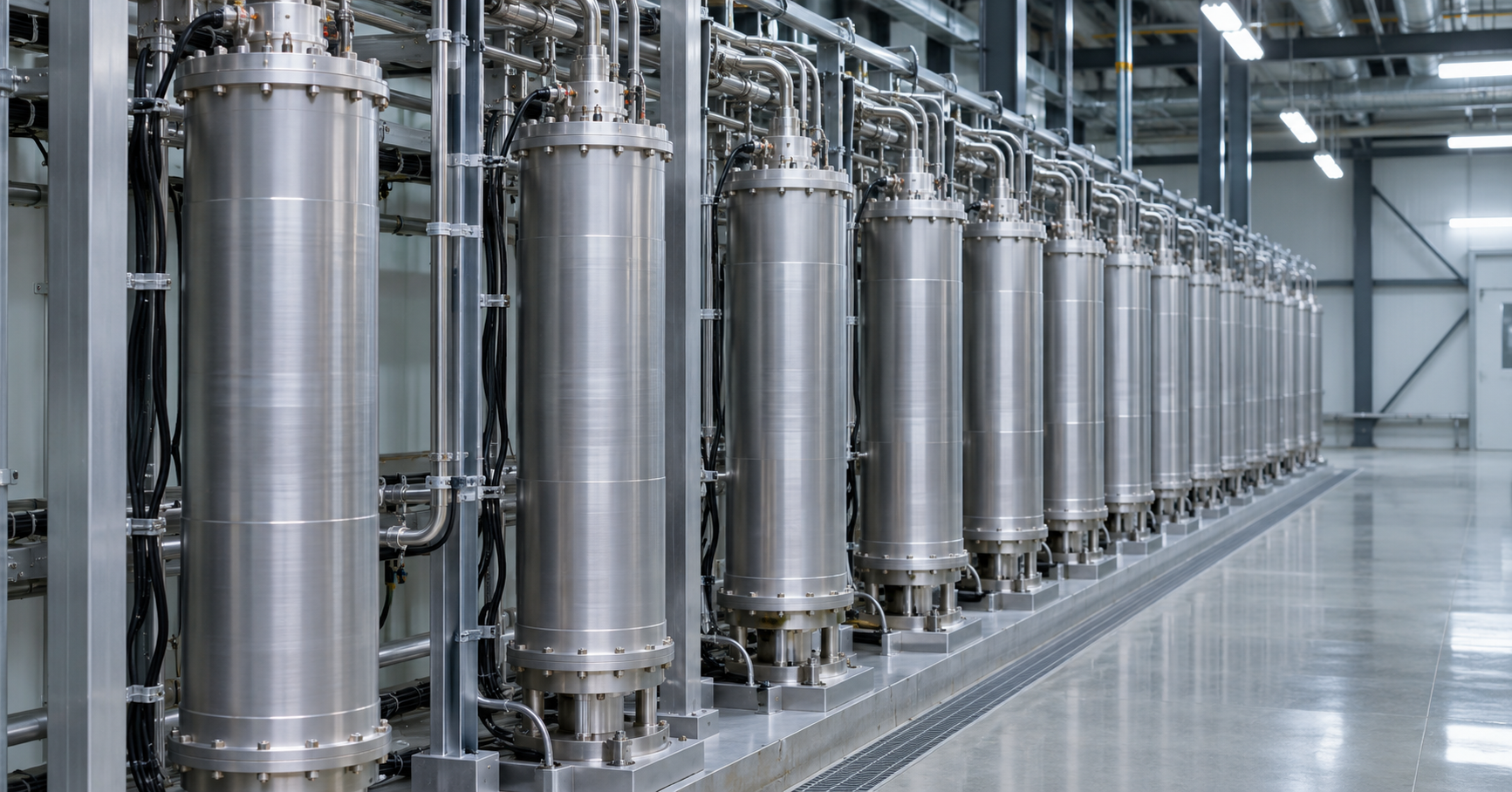
Centrus Energy has started shipping centrifuges for a proposed expansion of U.S. uranium-enrichment capacity. Its $7.0 billion backlog signals substantial potential demand, but includes $5.4 billion of contingent sales commitments and government contract options that may not be exercised. Quarterly net income also benefited from a noncash warrant gain. A strong cash balance gives Centrus resources to advance construction, while milestone payments, financing terms and the cost of bringing capacity online will determine how much of the opportunity reaches shareholders.
 Biotechnology & Healthcare
Rigel’s VEPPANU Launch Adds Growth, With Royalties and Costs Still to Absorb
Rigel Pharmaceuticals has begun selling VEPPANU, an oral treatment for a defined group of patients with advanced breast cancer. The drug generated $6.6 million in net sales in its first partial quarter, providing most of Rigel’s year-over-year product sales growth in the third quarter. The company’s 2026 revenue guidance excludes the new medicine, making the established portfolio’s performance and launch sales separate measures. Royalties, development commitments and commercialization costs will determine how much of VEPPANU’s revenue Rigel retains as profit.
 Mining & Critical Minerals
Lifezone’s Kabanga Project Needs Near-Term Funding as Orion Investment Talks Advance
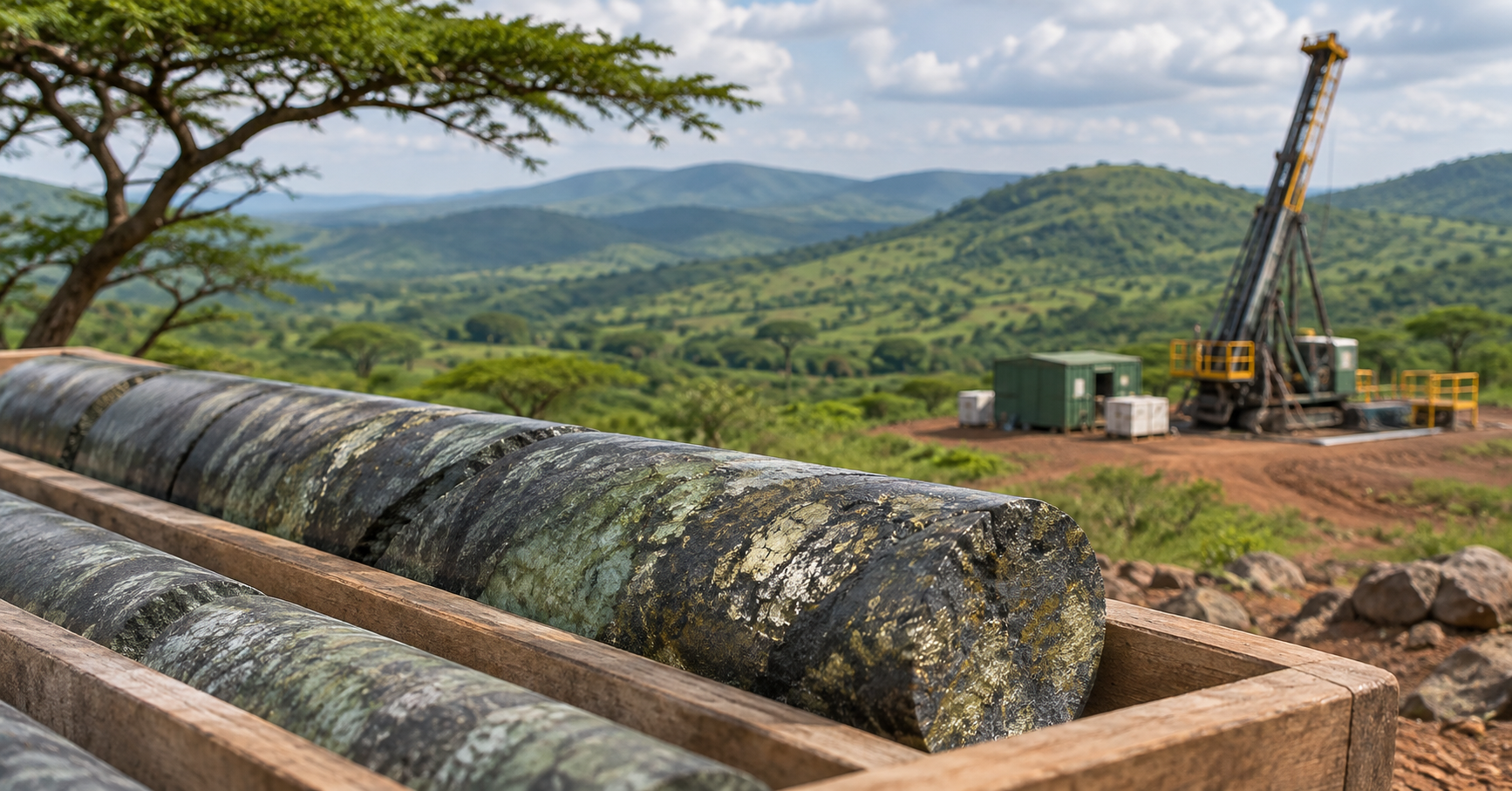
Lifezone Metals is negotiating a potential investment in its Kabanga nickel project while seeking additional capital for its near-term activities. The company says it needs funding by February 2027 to support its operations and maintain a loan covenant. Kabanga’s feasibility study envisages an underground mine and concentrator in Tanzania, with $942 million in estimated pre-production capital. The terms of the Tanzanian government agreement, project financing and any outside investment will determine how the project advances and how much of its future economics Lifezone retains.
 Mining & Critical Minerals
Asante Gold Needs New Funding as Bibiani’s Recovery Takes Shape
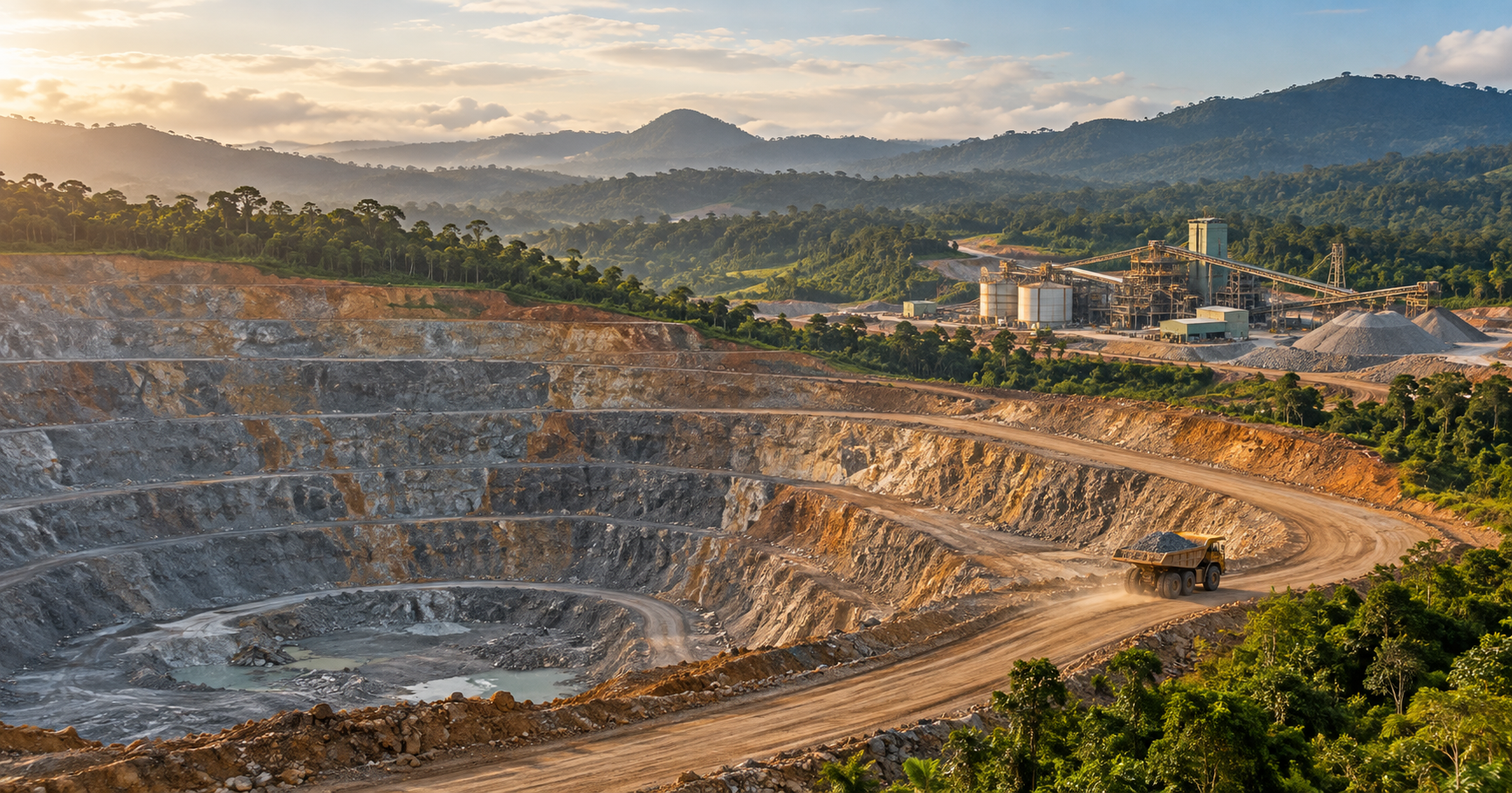
Asante Gold has until November 30 to secure at least $100 million in new funding under an agreement with its lenders. As the company negotiates, its mines must generate enough cash to support investment and financing costs. Higher-grade ore at Bibiani could improve production, but the recovery depends on execution and the terms of the financing.
About Alliance Equity Research
Alliance Equity Research publishes independent and company-sponsored equity research on undercovered, emerging, and high-potential public companies globally. Our analyst-built, model-backed research combines fundamental business analysis, financial forecasting, and valuation.
Email: info@alliancekp.com · Website: https://allianceequityresearch.com
For detailed company research, financial models, or coverage inquiries, contact our research team.
Research commentary for informational purposes. This document does not constitute personalized investment advice or a Buy, Hold, or Sell recommendation. For important disclosures, including information about research sponsorship and potential conflicts of interest, visit allianceequityresearch.com/disclosures.