 Alliance Equity Research
RWE and KKR Share Capital Commitments as £12 Billion Wind Projects Advance
RWE and KKR have completed their partnership and secured financing for two British offshore wind farms requiring approximately £12 billion of investment. Each partner will own half of the projects, while RWE leads construction and delivery. Long-term power contracts provide greater revenue visibility, and project-level financing will help support development through expected commissioning in 2030. For investors, the transaction shares RWE’s capital commitments but leaves important details undisclosed, including the partners’ individual contributions. Construction costs, timing and electricity generation will determine how much value the projects ultimately deliver.

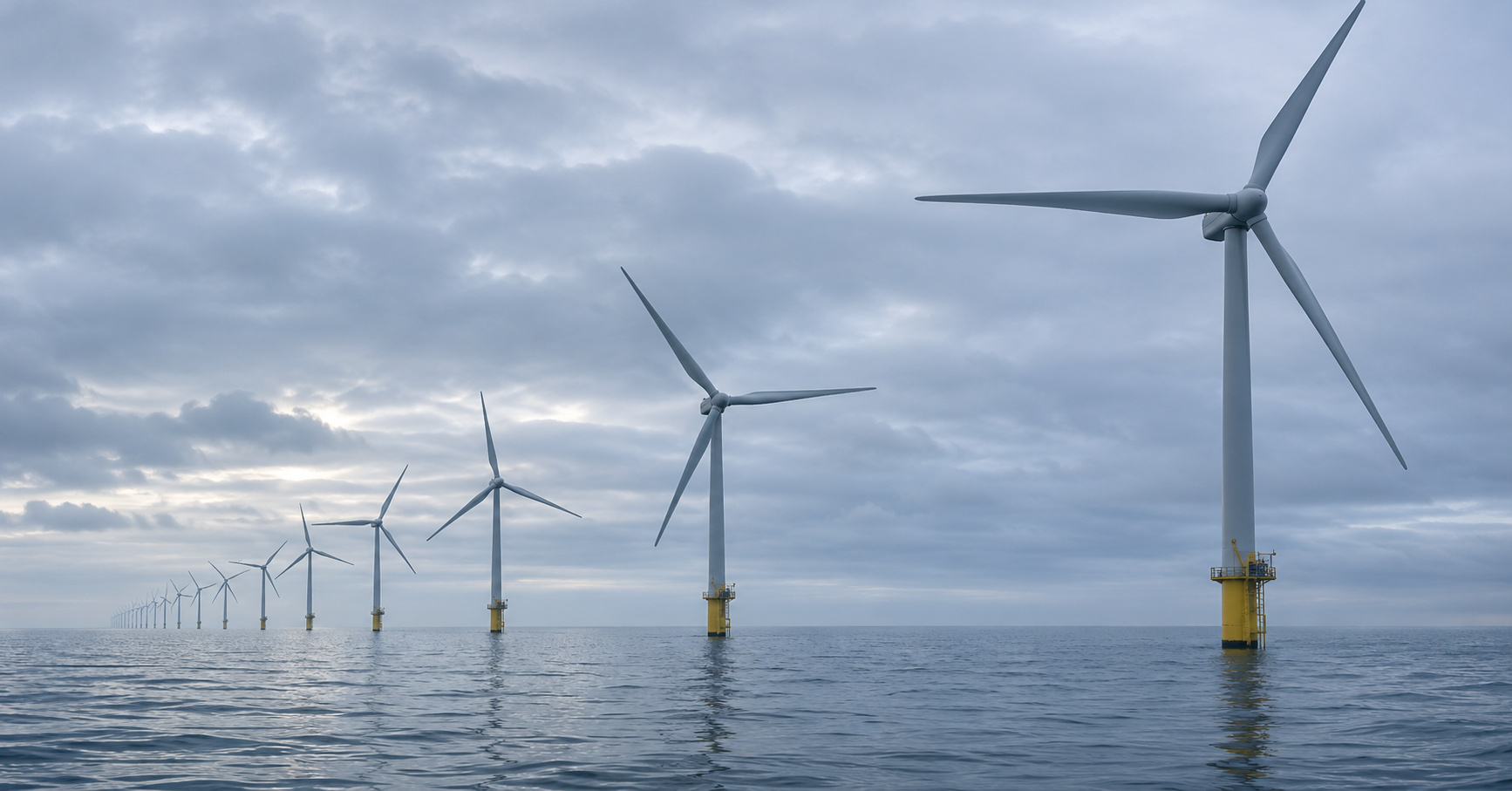
RWE has secured a partner and project financing for two offshore wind farms that will require approximately £12 billion of investment. The German power producer and KKR have completed their 50:50 joint venture for Norfolk Vanguard West and East, while a consortium of lenders has committed £11.1 billion in cash facilities and £1.7 billion in ancillary facilities.
The arrangement allows RWE to share the capital needed for a large construction program while retaining an ownership interest and leading delivery. Both wind farms also have 20-year power contracts that improve revenue visibility. The companies have not disclosed how much equity each partner will contribute, however, making it difficult to assess the return RWE could earn on its investment.
Building two wind farms off Norfolk
Vanguard West and East will each have an installed capacity of 1.4 gigawatts (GW) and will be located 50 to 80 kilometers off the Norfolk coast. The estimated £12 billion investment includes both the wind farms and the transmission infrastructure needed to carry their electricity toward the grid.
RWE develops and operates power generation assets, while KKR is an investment firm with infrastructure funds and other capital accounts. KKR has acquired a 50% equity stake in each project through capital accounts it advises. Both partners have committed equity and will jointly develop, construct and operate the wind farms, with RWE leading delivery.
Onshore cable and substation work is already advanced. Offshore construction is expected to start in early 2027, with the first foundation at Vanguard West planned for the first half of the year. RWE expects both projects to be fully commissioned in 2030.
The schedule warrants attention. In January, RWE expected commissioning of Vanguard West in 2029 and Vanguard East in 2030. Its latest announcement refers to full commissioning of both projects in 2030 and does not explain the difference between the two descriptions. Investors will need more detail to assess how the construction and initial generation schedules have changed.
How the projects are financed
The investment will be supported by the partners’ equity commitments and project financing secured from a consortium of 35 international banks. RWE describes the financing as non-recourse: lenders primarily look to the projects and their assets for repayment, rather than relying on a general claim against the sponsors.
| Disclosed item | Amount | Description |
|---|---|---|
| Project investment | Approximately £12 billion | Wind farms and associated transmission infrastructure |
| Cash facilities | £11.1 billion | Project financing facilities |
| Ancillary facilities | £1.7 billion | Additional facilities; individual uses were not disclosed |
| National Wealth Fund commitment | £1 billion | Included in the financing package |
The UK’s National Wealth Fund is committing £1 billion, while Germany’s Euler Hermes and Denmark’s Export and Investment Fund are providing credit cover. The public commitment is part of the announced financing, not an additional £1 billion to be added to the facility totals.
The £12.8 billion combined facility amount and the £12 billion investment estimate serve different purposes. Facilities provide financing capacity, and the companies have not disclosed how much has been drawn or how each facility will be used. The ancillary lines may support needs beyond direct construction payments, but their specific purposes have not been published.
For the same reason, subtracting the £11.1 billion cash facilities from the investment estimate does not establish the equity required. The purchase price for KKR’s stakes, each partner’s contribution, financing costs and the detailed schedule of funding and repayments remain undisclosed. Those figures would help investors judge the capital at risk and the cash flow needed to support an attractive return.
Power contracts make revenue more predictable
Each wind farm has a 20-year, inflation-indexed contract for difference, or CfD, awarded in the UK’s seventh allocation round. The strike price is £91.20 per megawatt-hour in 2024 prices.
Under a CfD, payments are linked to the difference between an agreed strike price and a market reference price. When the reference price is below the strike price, the generator receives a payment; when it is above, the generator pays the difference. The arrangement reduces exposure to movements in the reference electricity price and gives lenders greater visibility over a portion of future revenue.
The contract does not determine how much electricity the turbines will produce or the cost of building and operating them. Output, availability, financing costs and the detailed settlement rules will all affect cash flow. The strike price therefore cannot be used on its own to calculate the projects’ earnings or returns.
There is also an unresolved difference in the published capacity figures. RWE said in January that the two projects had received awards totaling approximately 3.1 GW; its latest announcement describes 2.8 GW of installed capacity. The company has not explained how the figures relate to each other, so they should not be used to calculate contract coverage without further clarification.
What the partnership means for RWE
RWE’s 50% ownership gives it a continuing interest in the projects while sharing their capital requirements with KKR’s advised accounts. RWE also retains the lead role in delivery, putting its offshore development and construction experience at the center of the partnership. The undisclosed equity contributions and transaction price limit any assessment of the financial value RWE has retained or transferred.
The company’s existing offshore business shows how generation and realized prices can influence results. In the first nine months of 2026, offshore adjusted EBITDA rose to €1.110 billion from €915 million a year earlier. Adjusted operating profit increased to €554 million from €406 million. More favorable wind conditions and initial generation from new projects lifted earnings, partly offset by lower margins on forward electricity sales. These figures describe RWE’s existing offshore portfolio, not the expected results of Vanguard.
The joint venture also affects RWE’s reported balance sheet. The company reported net debt of €17.0 billion at September 30 and expects approximately €12 billion at year-end, with the anticipated decline mainly attributable to deconsolidating the Vanguard projects after the partnership was established. That accounting change alters the assets and liabilities included in RWE’s group figures; it does not establish that an equivalent amount of debt was repaid or cash received. RWE’s financial figures are reported in euros, while the project financing is denominated in pounds.
From financing to operating returns
The financing close shows that the partners and lenders were prepared to commit capital to the projects under their agreed terms. The challenge now is to complete construction at a cost and on a timetable that allow the wind farms to generate the expected cash flow.
The wider industry offers a useful reminder of that sensitivity. In May 2025, Ørsted stopped developing Hornsea 4 in its then-current form, citing higher supply-chain costs, interest rates and construction-timeline risk after it had secured a CfD. Hornsea 4 and Vanguard have different economics and schedules, but the decision illustrated how rising costs can undermine a project even when a power contract is in place.
For Vanguard, the first offshore foundations in 2027 will be an early indicator of delivery progress. From there, construction spending, the pace of commissioning and eventual generation will determine how much cash remains after operating costs and debt service for RWE and KKR’s advised accounts.
This material is provided for informational and educational purposes only and does not constitute investment advice or a recommendation to buy or sell any security.
Companies Discussed
About AER Insights
Alliance Equity Research publishes timely insights on company-specific developments, industry trends, capital markets activity, and emerging investment themes across global public markets, with a particular focus on undercovered companies, sectors, and developments that often receive limited attention from mainstream financial research. Our analysis focuses on the financial, strategic, and valuation implications behind the headlines, using company disclosures, filings, market data, and sector context to help investors understand what matters, why it matters, and what to watch next.
Get AER Insights by Email
Receive new AER Insights and research updates in your inbox.
Related Insights
 Biotechnology & Healthcare
PepGen’s DM1 Trial Shows Early Functional Improvements as Safety and FDA Questions Remain
PepGen reported that six patients receiving its experimental myotonic dystrophy treatment showed an average 46.5% correction on a muscle RNA measure, alongside improvements in hand opening and other functional tests. The Phase 2 findings support continued development, but the small cohort and short follow-up limit conclusions about clinical benefit. Earlier kidney-related findings and a U.S. partial clinical hold remain relevant as the company studies higher and longer dosing. A larger trial must show that molecular changes translate into durable improvements meaningful to patients.
 Mining & Critical Minerals
Meridian’s Cabaçal Financing Offers Advance a Mine With Important Terms Unsettled
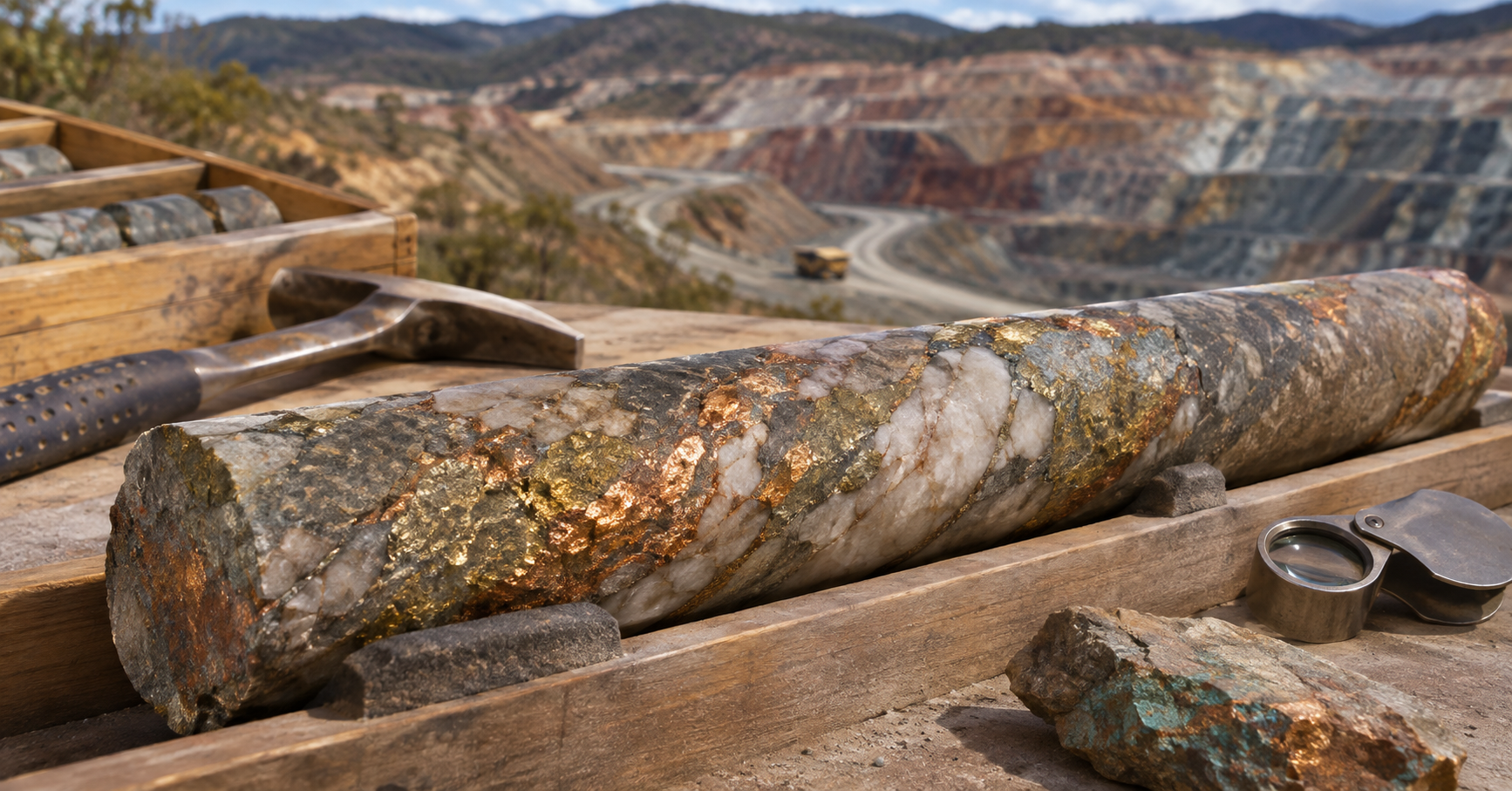
Meridian Mining has appointed an engineering and construction management contractor for its Cabaçal copper-gold project in Brazil and received indicative financing proposals, including packages totaling $400 million. The project’s feasibility study models a $2.09 billion after-tax net present value, but its initial capital estimate relies on tax credits and excludes financing charges. The financing offers remain subject to negotiation, while the mine installation permit was under review in the October technical report. The crucial issue for investors is how much of the modeled project value Meridian can retain after construction funding, sales arrangements and other obligations are settled.
 Energy
Centrus’s $7 Billion Backlog Depends on Building Its Uranium Enrichment Capacity
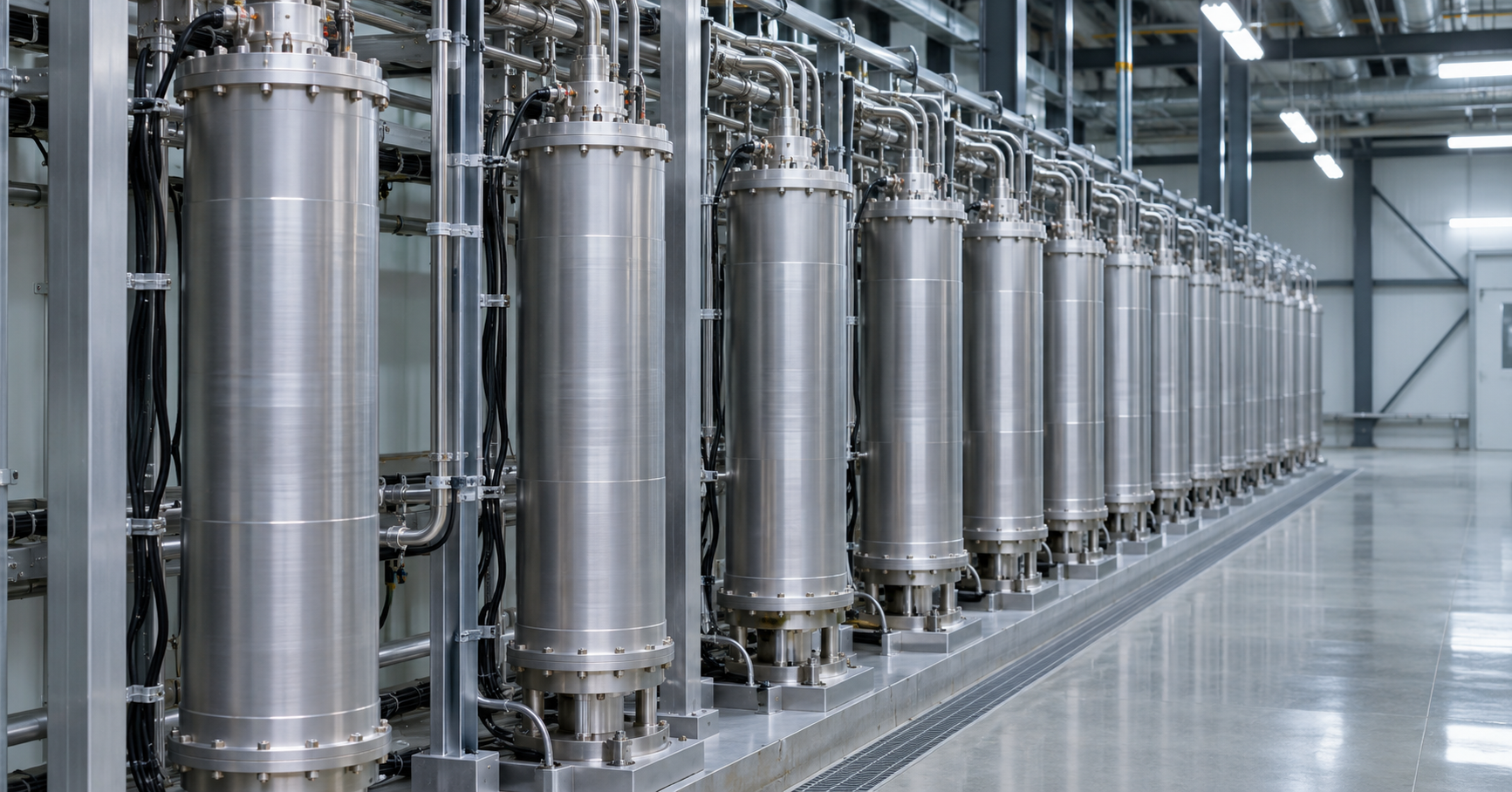
Centrus Energy has started shipping centrifuges for a proposed expansion of U.S. uranium-enrichment capacity. Its $7.0 billion backlog signals substantial potential demand, but includes $5.4 billion of contingent sales commitments and government contract options that may not be exercised. Quarterly net income also benefited from a noncash warrant gain. A strong cash balance gives Centrus resources to advance construction, while milestone payments, financing terms and the cost of bringing capacity online will determine how much of the opportunity reaches shareholders.
 Energy
Capital Clean Energy Carriers’ Larger Fleet Lifts Earnings as 2027 Vessel Payments Approach
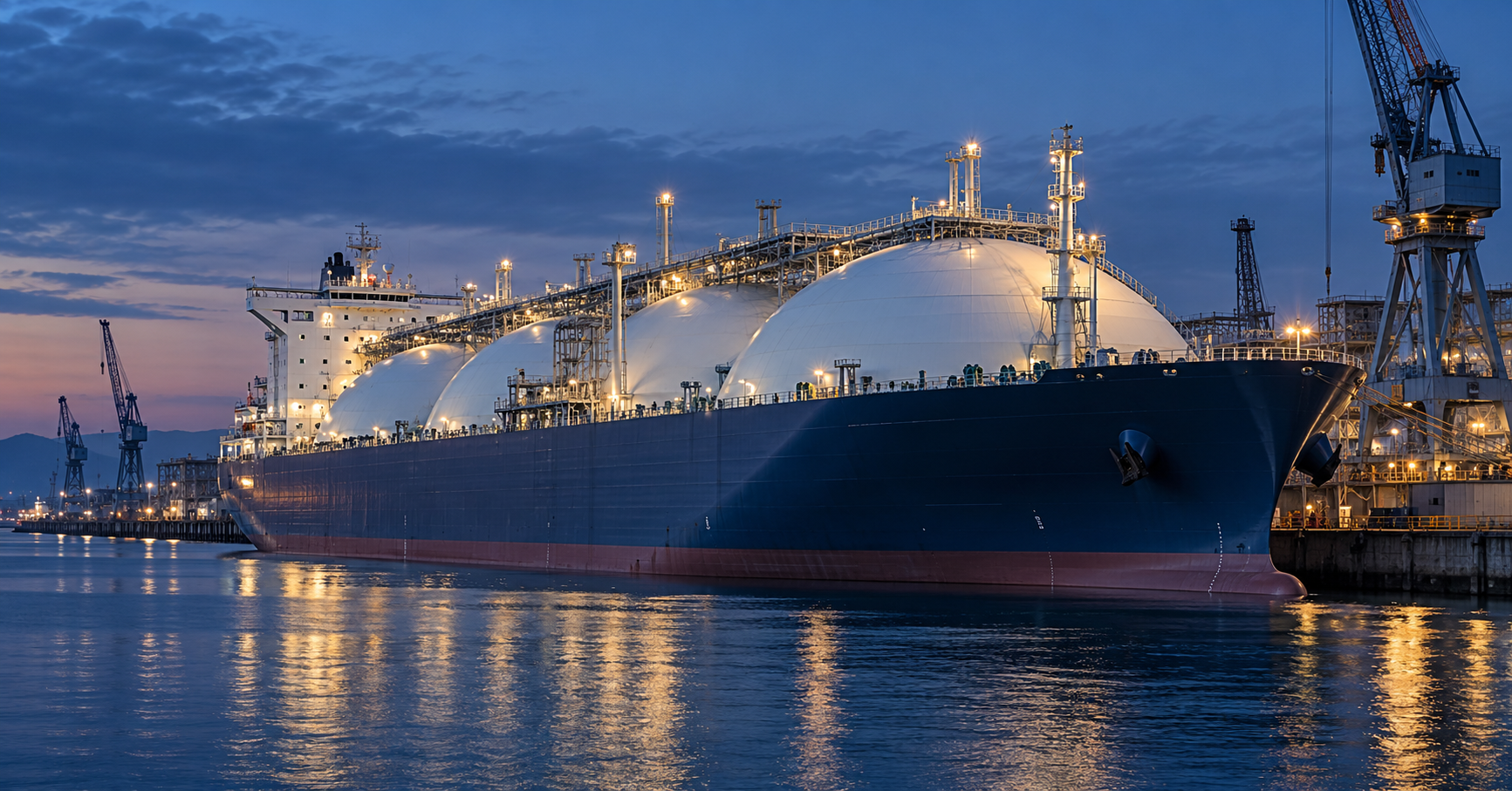
CCEC’s third-quarter revenue and earnings increased as new ships entered service. Large payments in early 2027 bring the funding plan into focus. Existing charters and operating cash provide support, while borrowing terms and exposure to market-linked rates shape the cash ultimately retained for shareholders.
About Alliance Equity Research
Alliance Equity Research publishes independent and company-sponsored equity research on undercovered, emerging, and high-potential public companies globally. Our analyst-built, model-backed research combines fundamental business analysis, financial forecasting, and valuation.
Email: info@alliancekp.com · Website: https://allianceequityresearch.com
For detailed company research, financial models, or coverage inquiries, contact our research team.
Research commentary for informational purposes. This document does not constitute personalized investment advice or a Buy, Hold, or Sell recommendation. For important disclosures, including information about research sponsorship and potential conflicts of interest, visit allianceequityresearch.com/disclosures.