 Alliance Equity Research
Capital Clean Energy Carriers’ Larger Fleet Lifts Earnings as 2027 Vessel Payments Approach
CCEC’s third-quarter revenue and earnings increased as new ships entered service. Large payments in early 2027 bring the funding plan into focus. Existing charters and operating cash provide support, while borrowing terms and exposure to market-linked rates shape the cash ultimately retained for shareholders.

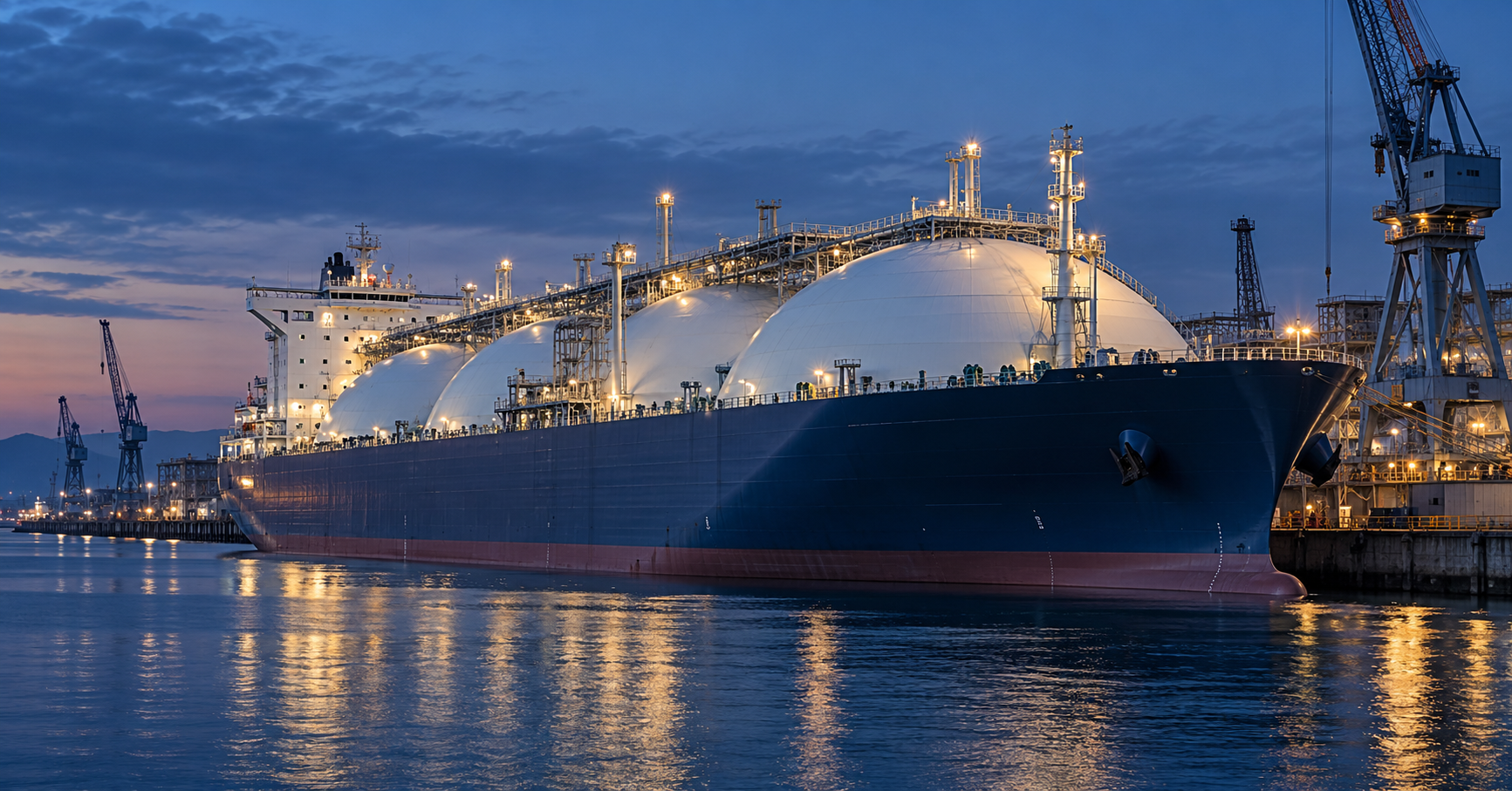
Capital Clean Energy Carriers reported third-quarter results on October 30, 2026, showing the contribution from its expanding gas-shipping fleet. Revenue for the three months ended September 30, 2026, increased 44.5% to $138.1 million from $95.6 million in the same quarter of 2025, primarily as new vessels entered service.
The additional ships are increasing earning capacity, alongside the operating expenses and financing costs associated with a larger fleet. With substantial vessel payments approaching in early 2027, the investment assessment also depends on how CCEC funds the next deliveries and how much cash the expanded business retains after meeting its obligations.
What the business earns from its vessels
Capital Clean Energy Carriers (Nasdaq: CCEC) earns revenue by providing ships to customers transporting liquefied natural gas, or LNG, and other gases. Its operating fleet includes 15 LNG carriers, two medium gas carriers, three smaller multi-gas carriers and one container vessel. Another 12 vessels are under construction, including an LNG refueling vessel owned through a 50% joint venture.
LNG carriers transport natural gas cooled into liquid form. The other gas ships can carry cargoes such as liquefied petroleum gas and ammonia, while the multi-gas vessels also offer future opportunities in liquefied carbon dioxide transport. Their ability to carry established cargoes allows them to earn revenue while newer markets develop.
Contract structure affects the earnings retained. Under a conventional time charter, CCEC supplies the ship and crew while the customer generally pays voyage costs. Under a bareboat charter, the customer assumes more operating responsibilities. Comparing revenue per ship without allowing for these differences can therefore give a misleading impression of profitability.
New ships are contributing to revenue and earnings
The average fleet grew to 19.7 vessels in the third quarter of 2026 from 13.0 in the third quarter of 2025. This measure reflects the portion of the quarter each vessel was owned, whereas the quarter-end fleet count includes ships delivered late in the period. Consequently, newly delivered vessels can contribute more revenue in subsequent quarters even without higher charter rates.
Higher vessel operating expenses and depreciation accompanied the increase in revenue. Operating profit rose 42.7% year over year to $68.8 million, with the operating margin easing to 49.8% from 50.5%. The results therefore primarily reflect a larger business, with a broadly similar operating margin.
Third-quarter continuing-operations comparison
| $ million, except margins | Q3 2025 | Q3 2026 | Year-over-year change |
|---|---|---|---|
| Revenue | 95.6 | 138.1 | +44.5% |
| Operating profit | 48.2 | 68.8 | +42.7% |
| Operating margin | 50.5% | 49.8% | −0.6 percentage points |
| Net income from continuing operations | 22.7 | 34.6 | +52.7% |
Further down the income statement, interest and financing costs increased 32.2% to $33.7 million from $25.5 million a year earlier. These costs grew more slowly than operating profit, helping continuing net income rise 52.7% to $34.6 million from $22.7 million. Financing costs absorbed 24.4% of revenue, compared with 26.7% in the prior-year quarter, explaining why net income grew faster than revenue despite the modest decline in operating margin.
Maintenance offers a potential near-term benefit. CCEC’s July presentation scheduled no further LNG-fleet special surveys after the third quarter of 2026 until 2028. Completing those inspections can reduce both periodic spending and days without charter revenue, although ordinary maintenance and unexpected downtime remain.
Charter coverage provides protection with different levels of price exposure
At September 30, CCEC reported approximately $2.8 billion in firm contracted revenue, rising to $4.2 billion if all charter options were exercised. The larger figure depends on customers choosing extensions, and neither amount represents cash already collected. The backlog supports future activity, but operating expenses and financing obligations must still be paid from the revenue earned.
Existing LNG contracts support visibility, while the smaller gas fleet requires more frequent renewals. The reported average firm duration was 6.4 years for LNG carriers and 0.7 years for the LPG/multi-gas fleet. A strong chartering market can improve renewal economics; weaker demand can reduce the income available to service vessel financing.
Even a contracted vessel can retain exposure to market rates. Alcaios I began an 18-month index-linked charter after delivery in July 2026. Athlos, due in the first quarter of 2027, has secured a one-year index-linked charter before a previously agreed seven-year contract. Investors therefore need to consider both contract duration and the rate-setting mechanism when assessing future earnings visibility.
The payment schedule concentrates funding needs in early 2027
Remaining scheduled vessel payments total $1.434 billion through the first quarter of 2029. Summing the disclosed quarterly amounts gives $783.5 million for calendar 2027, including $640.7 million in its first quarter. Approximately 82% of that year’s payments therefore fall in the first three months.
This concentration makes the timing of financing important. Delivery payments generally precede the full earnings contribution from a new ship, so subsequent charter income cannot by itself meet the initial purchase obligation. Loans, existing cash and other funding sources must be available when payments fall due.
At September 30, CCEC held $286.6 million of cash, including $17.7 million restricted under financing arrangements, leaving approximately $268.9 million outside those restrictions. The gross purchase schedule exceeds that balance, but the difference is not an equity funding gap: vessel facilities can meet part of the payments.
Operating cash supports the program without financing it alone. Continuing operations generated $177.9 million in the first nine months of 2026, up 1.7% from $174.9 million in the equivalent 2025 period. Over those same nine months of 2026, vessel acquisitions, construction and improvements used $1.027 billion. Operating cash covered approximately 17% of that spending, before considering debt financing and other sources.
Management’s funding assessment remains conditional
The third-quarter presentation assumes debt financing equal to 70% of acquisition price for remaining LNG carriers without financing arrangements. That percentage applies to the relevant vessels’ purchase prices, rather than automatically to every dollar of unpaid expenditure. Advances already paid and individual facility terms determine the cash still required.
Management’s funding analysis excludes future operating cash generation and net proceeds from the planned Amore Mio I joint-venture transaction. Those potential sources provide additional support, subject to actual cash generation and completion of the transaction. The analysis nevertheless depends on arranging the assumed financing on workable terms.
Alkimos provides a concrete example of the link between contracts and borrowing. Its acquisition used cash and a $52.8 million loan, with up to another $8.1 million available if the vessel secures longer-term employment. An extended charter can strengthen revenue visibility and unlock liquidity, while the additional borrowing still requires repayment.
The next meaningful evidence is the financing secured for deliveries approaching in 2027. Committed facilities with timely drawdowns and manageable repayments would support growth while preserving cash. Lower lending amounts, more expensive terms or weaker charter earnings would require more of the operating business’s cash to remain invested in the fleet, reducing capacity for distributions or further expansion.
This material is provided for informational and educational purposes only and does not constitute investment advice or a recommendation to buy or sell any security.
Companies Discussed
About AER Insights
Alliance Equity Research publishes timely insights on company-specific developments, industry trends, capital markets activity, and emerging investment themes across global public markets, with a particular focus on undercovered companies, sectors, and developments that often receive limited attention from mainstream financial research. Our analysis focuses on the financial, strategic, and valuation implications behind the headlines, using company disclosures, filings, market data, and sector context to help investors understand what matters, why it matters, and what to watch next.
Get AER Insights by Email
Receive new AER Insights and research updates in your inbox.
Related Insights
 Mining & Critical Minerals
US Lime’s Texas Kiln Nears Commissioning as Higher Costs Offset Revenue Growth
United States Lime & Minerals increased third-quarter revenue through higher prices and shipment volumes, while diesel costs and startup inefficiencies at its new Texas kiln reduced profit. Management expects final commissioning in the fourth quarter, when depreciation on the new equipment will begin. The company has ample cash to complete the project, but construction delays and early signs of slower Texas housing could limit demand for its output. Earnings improvement will require reliable production, lower unit costs and sufficient sales to earn a return on the investment.
 Biotechnology & Healthcare
INOVIO’s Voceryq Approval Shifts Attention to Patient Uptake, Competition and Launch Funding
INOVIO’s first approved DNA medicine offers a new approach to reducing airway surgery. Commercial adoption will depend on its treatment profile, reimbursement and competition, while management’s disclosed cash runway overlaps the planned launch quarter and continuing clinical obligations extend beyond it.
 Energy
Forum Energy Technologies Raises Guidance as Stronger Margins and Cash Flow Reduce Debt
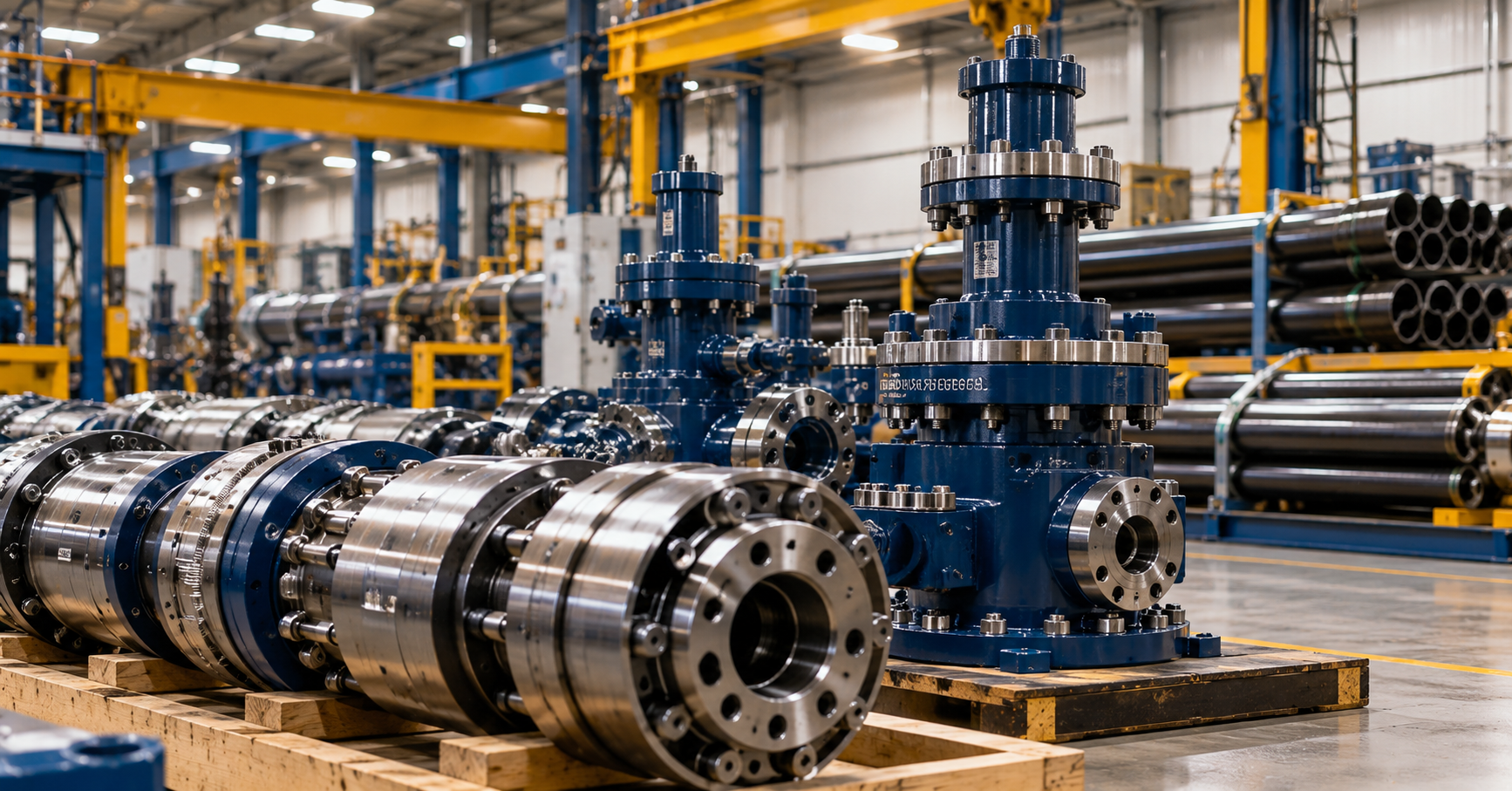
Forum Energy Technologies' third-quarter results show improving profitability across its oilfield equipment businesses, with orders remaining above sales and net leverage falling below one times adjusted EBITDA. Its raised annual outlook depends on sustaining recent margins and converting working capital into cash through year-end.
 Energy
Eni’s Higher Payout Combines Stronger Operations With a Restructured Approach to Funding Growth
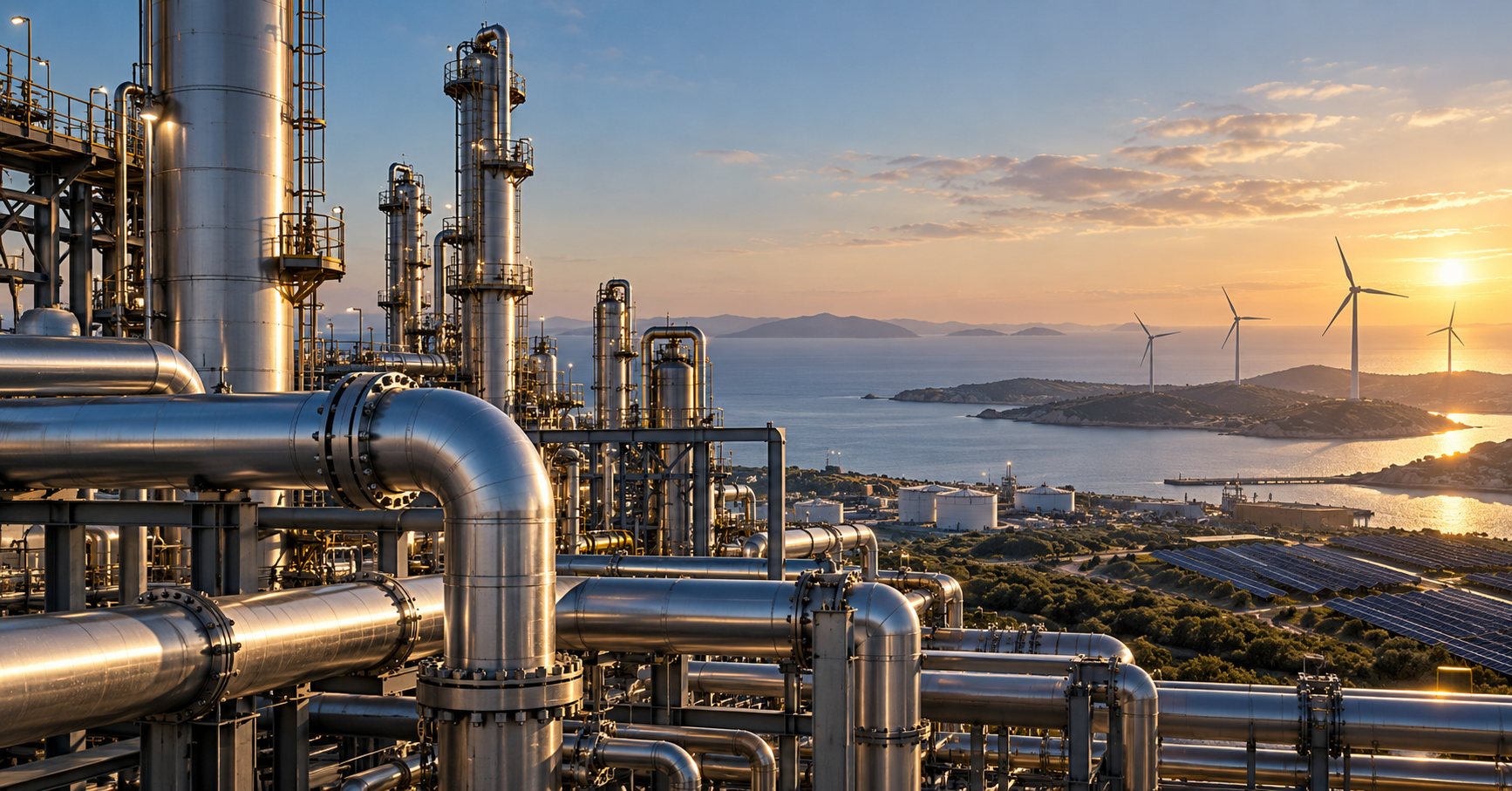
Eni’s higher production and refining profits support a larger shareholder payout. Outside capital also helps fund expansion and lowers reported net debt, while sharing future earnings with partners. The benefit is greater financial flexibility, with the capacity for further distributions depending on cash generation across the retained portfolio.
About Alliance Equity Research
Alliance Equity Research publishes independent and company-sponsored equity research on undercovered, emerging, and high-potential public companies globally. Our analyst-built, model-backed research combines fundamental business analysis, financial forecasting, and valuation.
Email: info@alliancekp.com · Website: https://allianceequityresearch.com
For detailed company research, financial models, or coverage inquiries, contact our research team.
Research commentary for informational purposes. This document does not constitute personalized investment advice or a Buy, Hold, or Sell recommendation. For important disclosures, including information about research sponsorship and potential conflicts of interest, visit allianceequityresearch.com/disclosures.