 Alliance Equity Research
Centrus’s $7 Billion Backlog Depends on Building Its Uranium Enrichment Capacity
Centrus Energy has started shipping centrifuges for a proposed expansion of U.S. uranium-enrichment capacity. Its $7.0 billion backlog signals substantial potential demand, but includes $5.4 billion of contingent sales commitments and government contract options that may not be exercised. Quarterly net income also benefited from a noncash warrant gain. A strong cash balance gives Centrus resources to advance construction, while milestone payments, financing terms and the cost of bringing capacity online will determine how much of the opportunity reaches shareholders.
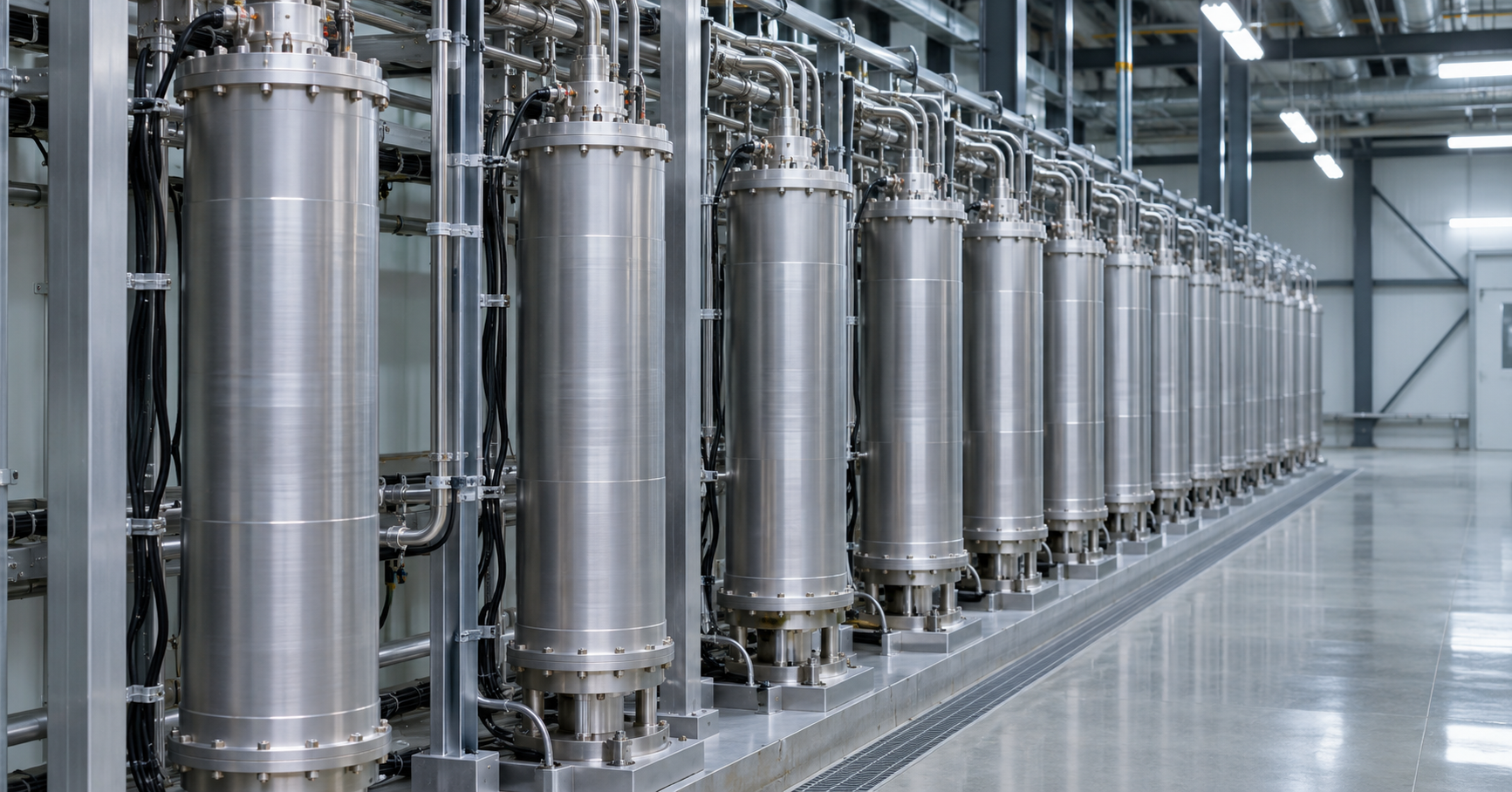
Centrus Energy has begun shipping centrifuges for its planned uranium-enrichment expansion in Piketon, Ohio. The company reported a $7.0 billion backlog at September 30, 2026, but most of it consists of sales commitments linked to capacity that has yet to be built.
Of the total, $5.4 billion comprises contingent sales commitments associated with potential new production capacity. A separate $0.8 billion relates to a government operating contract whose further production options the Department of Energy does not currently intend to exercise. The agreements point to customer demand, while the value to Centrus depends on meeting the conditions and producing enriched uranium at an economic cost.
From nuclear fuel supplier to producer
Centrus supplies nuclear utilities with uranium and enrichment services, alongside a technical-services business that works for government and private customers. Natural uranium must be processed to increase the concentration of uranium-235, the isotope used to sustain a reactor’s chain reaction. Centrifuges separate isotopes in gaseous uranium compounds; the enrichment work is commonly measured in separative work units, or SWU.
Conventional reactors generally use low-enriched uranium, or LEU. High-assay low-enriched uranium, known as HALEU, is enriched further, to below 20% uranium-235, and is sought for certain advanced reactor designs. The two markets have different customers and delivery schedules. Demand for HALEU from a proposed reactor depends in part on the project securing financing and approvals and entering operation.
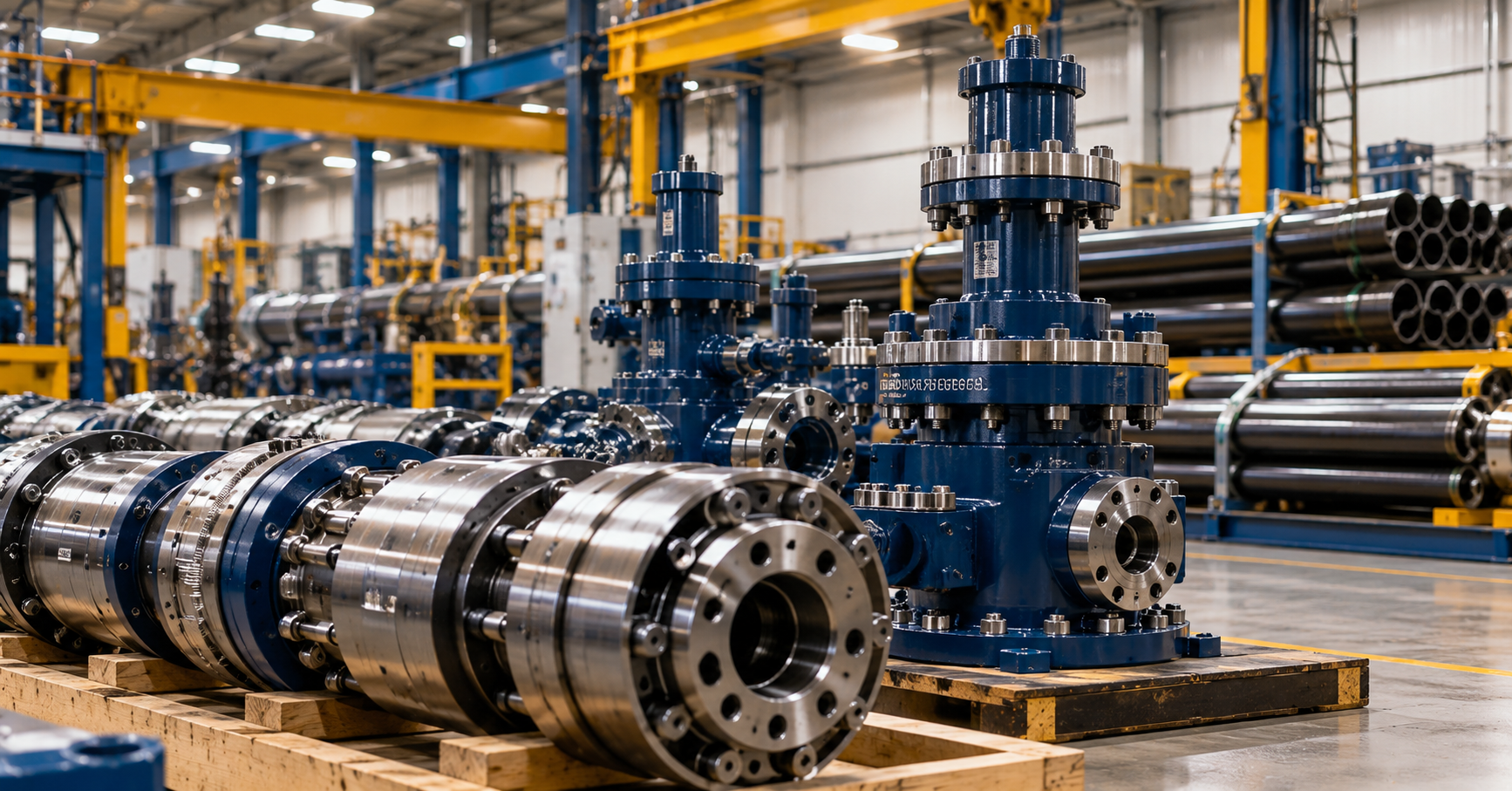
Centrus already operates a 16-centrifuge demonstration cascade at Piketon and has begun using it to produce HALEU for the commercial market. It is also manufacturing centrifuges at Oak Ridge, Tennessee, for a much larger expansion. Management expects the first new capacity online by 2029. The machines must be installed and integrated into operating cascades before the new facility can supply customers.
What the backlog contains
The November 4 results divide the $7.0 billion backlog into approximately $6.2 billion in the LEU segment and $0.8 billion in Technical Solutions. The LEU figure includes $5.4 billion in contingent LEU and HALEU sales commitments associated with potential Piketon capacity. Of that amount, $5.1 billion is covered by definitive agreements. The agreements establish terms with customers, but the sales remain contingent, generally on operational milestones.
| Backlog at September 30, 2026 | Amount | Interpretation |
|---|---|---|
| LEU segment | $6.2 billion | Includes $5.4 billion of contingent commitments |
| Technical Solutions | $0.8 billion | Includes funded work, unfunded amounts and options |
| Total | $7.0 billion | Extends to 2040 |
In its quarterly filing, Centrus also reports approximately $0.8 billion of LEU remaining performance obligations, primarily fixed commitments. This accounting measure and the company’s backlog use different definitions and are not an exact schedule of future cash receipts.
The Technical Solutions backlog includes funded work, unfunded amounts and options. Centrus says its existing HALEU operating contract accounts for approximately $0.8 billion of that backlog. The proposed federal fiscal 2027 budget did not include further funding for the contract, and DOE told the company it does not currently intend to exercise further production options.
A separate agreement supports the expansion. Under a $900 million fixed-price DOE task order, Centrus is to deploy specified enrichment capacity and deliver one metric ton of uranium as HALEU by July 2032. Payments are tied to performance milestones; the filing says roughly 40% of base funding is scheduled for 2028 and 30% upon completion of the initial performance phase in 2031. Two optional purchases could add $85 million each if DOE exercises them. The milestone payments will provide funding as the work advances.
A profit influenced by warrant accounting
Centrus’s third-quarter revenue fell to $55.5 million from $74.9 million a year earlier. LEU segment sales declined to $31.8 million from $44.8 million, primarily because lower uranium volume reduced uranium revenue. SWU revenue rose as both the quantity sold and average selling price increased. Technical Solutions revenue fell to $23.7 million from $30.1 million, primarily reflecting lower revenue under the existing HALEU operating contract.
| Third quarter, $ millions | 2026 | 2025 |
|---|---|---|
| LEU segment revenue | 31.8 | 44.8 |
| LEU segment gross loss | (6.9) | (7.8) |
| Technical Solutions revenue | 23.7 | 30.1 |
| Technical Solutions gross profit / (loss) | (3.7) | 3.5 |
| Consolidated operating loss | (29.7) | (16.6) |
| GAAP net income | 31.6 | 3.9 |
| Adjusted net income / (loss) | (9.4) | 5.2 |
Centrus reported a $6.9 million LEU gross loss, equal to roughly 22% of that segment’s revenue, compared with a $7.8 million loss a year earlier. The company says customers generally commit to annual purchases, not quarterly deliveries, and prices vary with the contracts fulfilled in a period. The quarterly margin therefore reflects delivery mix as well as cost, and should not be annualized mechanically.
The consolidated operating loss widened to $29.7 million. Yet GAAP net income rose to $31.6 million, helped by a $46.4 million noncash gain from revaluing warrant liabilities and $16.9 million of investment income. The company’s reconciliation also removes warrant-related issuance costs when calculating normalized earnings, then adjusts for expansion costs and stock compensation. On that basis, it reported a $9.4 million adjusted net loss. The excluded growth costs are real expenses even if management considers them separate from normalized operations.
Management maintained its $450 million to $500 million annual revenue outlook, a range it had raised in May. Against nine-month revenue of $308.3 million, the range implies approximately $141.7 million to $191.7 million of fourth-quarter revenue. Contract delivery timing matters to that outcome; a weak third quarter alone does not establish the full-year result.
Financing the expansion
At September 30, Centrus held $2.24 billion in cash and cash equivalents, compared with $1.96 billion at December 31, 2025. It also had approximately $1.21 billion of convertible notes outstanding by principal amount, comprising $402.5 million due in 2030 and $805.0 million due in 2032. The company therefore has substantial cash for the buildout, alongside obligations that may ultimately be repaid or converted under their terms.
For the first nine months, operating activities used $11.1 million, compared with generating $99.4 million a year earlier. Starting from $58.4 million of net income, the cash-flow statement removes the $46.4 million noncash warrant gain and adds back $16.8 million of equity compensation. A $106.9 million decrease in inventory provided cash, but a $138.7 million reduction in inventory owed to suppliers more than offset it, producing a combined cash outflow of $31.8 million. Deferred revenue, net of deferred costs, fell by a further $37.4 million.
Capital expenditure was $226.4 million, while financing activities supplied $547.0 million, including proceeds allocated to warrants and common stock. Cash, cash equivalents and restricted cash rose $309.3 million. Those figures reconcile the cash increase: the period’s financing inflow exceeded operating and investing outflows. Management’s $350 million to $500 million forecast is for 2026 capital deployment; the filing’s nine-month capital expenditure is a related cash-flow measure, and the disclosures do not establish that the two can be subtracted directly.
A September offering raised about $500 million gross, with $11.2 million of related costs. It included 500,000 issued shares, pre-funded warrants for 2.01 million shares at a $0.10 exercise price and common warrants for up to 6.99 million shares at prices from $226.8625 to $362.98. None had been exercised at September 30. Together, the warrants cover up to approximately 9.0 million shares, equivalent to 44% of the 20.45 million Class A and B shares then outstanding. If all were exercised for that number of shares, existing holders would collectively own approximately 69% of the enlarged share count, before other share changes. Actual proceeds and shares issued would depend on the exercise terms, which include provisions for cashless exercise.
Capacity and obligations
In October, DOE transferred title to certain materials associated with the demonstration program to a Centrus subsidiary. The subsidiary assumed related facility, maintenance, security and environmental responsibilities and agreed to hold HALEU for resale to DOE upon request. Centrus also agreed, subject to regulatory approval of a funding plan, to assume specified decontamination and decommissioning liabilities.
The existing Piketon lease expires October 1, 2027. DOE has said it will work toward a long-term extension before the end of 2026, but the filing says it is not obliged to agree one. Lease terms and the transition to private operation will affect the existing cascade while the larger project advances.
Centrus has customer commitments and cash to invest in the early construction phase. It now needs to turn the centrifuges it has begun shipping into operating capacity that can supply enriched uranium at an acceptable cost. The lease extension, construction progress toward 2029 and the timing of DOE milestone payments will influence how quickly the company can deliver under its contingent contracts and the returns it earns on the expansion.
This material is provided for informational and educational purposes only and does not constitute investment advice or a recommendation to buy or sell any security.
Companies Discussed
About AER Insights
Alliance Equity Research publishes timely insights on company-specific developments, industry trends, capital markets activity, and emerging investment themes across global public markets, with a particular focus on undercovered companies, sectors, and developments that often receive limited attention from mainstream financial research. Our analysis focuses on the financial, strategic, and valuation implications behind the headlines, using company disclosures, filings, market data, and sector context to help investors understand what matters, why it matters, and what to watch next.
Get AER Insights by Email
Receive new AER Insights and research updates in your inbox.
Related Insights
 Mining & Critical Minerals
Meridian’s Cabaçal Financing Offers Advance a Mine With Important Terms Unsettled
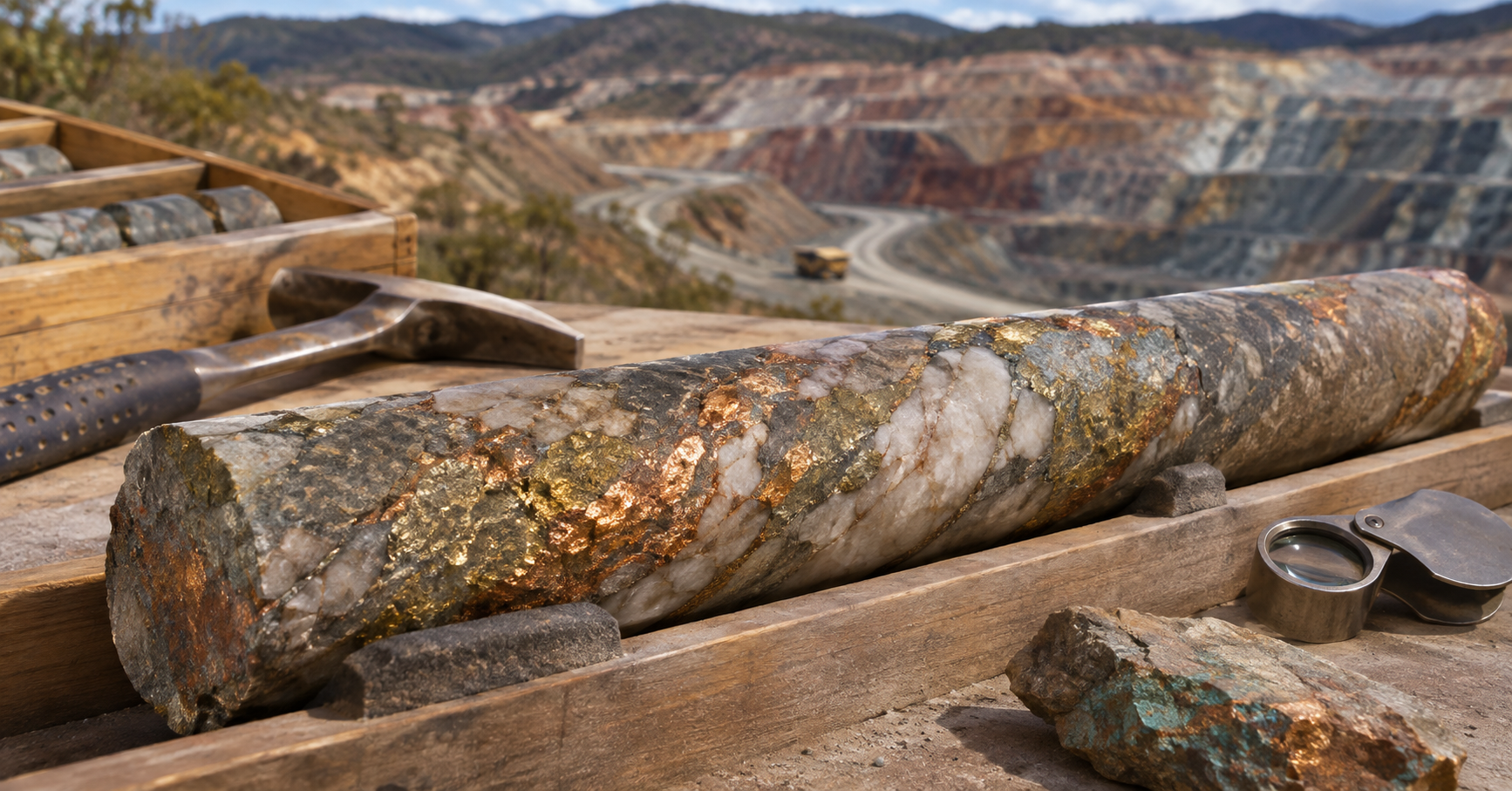
Meridian Mining has appointed an engineering and construction management contractor for its Cabaçal copper-gold project in Brazil and received indicative financing proposals, including packages totaling $400 million. The project’s feasibility study models a $2.09 billion after-tax net present value, but its initial capital estimate relies on tax credits and excludes financing charges. The financing offers remain subject to negotiation, while the mine installation permit was under review in the October technical report. The crucial issue for investors is how much of the modeled project value Meridian can retain after construction funding, sales arrangements and other obligations are settled.
 Biotechnology & Healthcare
Rigel’s VEPPANU Launch Adds Growth, With Royalties and Costs Still to Absorb
Rigel Pharmaceuticals has begun selling VEPPANU, an oral treatment for a defined group of patients with advanced breast cancer. The drug generated $6.6 million in net sales in its first partial quarter, providing most of Rigel’s year-over-year product sales growth in the third quarter. The company’s 2026 revenue guidance excludes the new medicine, making the established portfolio’s performance and launch sales separate measures. Royalties, development commitments and commercialization costs will determine how much of VEPPANU’s revenue Rigel retains as profit.
 Energy
Capital Clean Energy Carriers’ Larger Fleet Lifts Earnings as 2027 Vessel Payments Approach
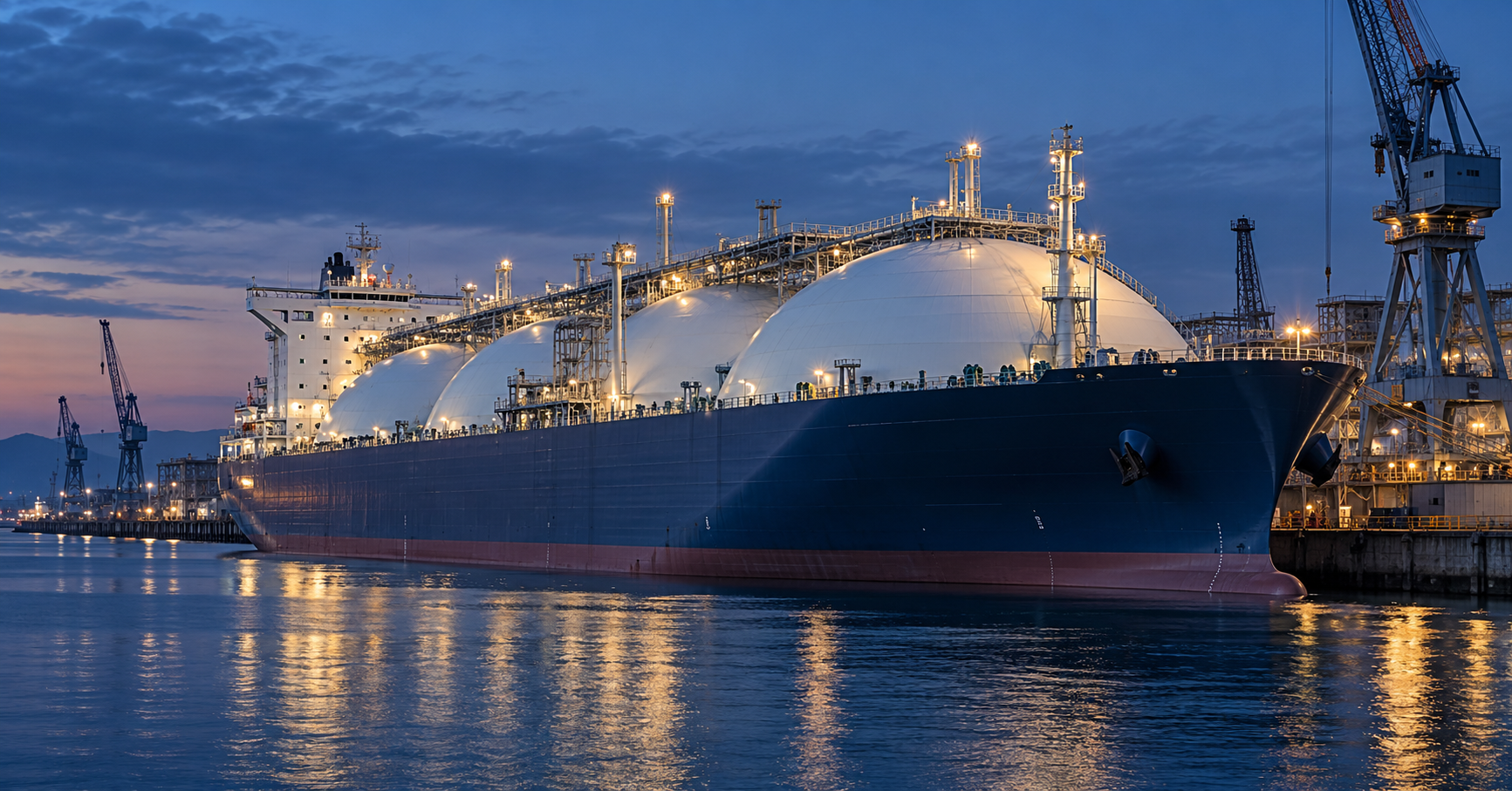
CCEC’s third-quarter revenue and earnings increased as new ships entered service. Large payments in early 2027 bring the funding plan into focus. Existing charters and operating cash provide support, while borrowing terms and exposure to market-linked rates shape the cash ultimately retained for shareholders.
 Energy
Forum Energy Technologies Raises Guidance as Stronger Margins and Cash Flow Reduce Debt
Forum Energy Technologies' third-quarter results show improving profitability across its oilfield equipment businesses, with orders remaining above sales and net leverage falling below one times adjusted EBITDA. Its raised annual outlook depends on sustaining recent margins and converting working capital into cash through year-end.
About Alliance Equity Research
Alliance Equity Research publishes independent and company-sponsored equity research on undercovered, emerging, and high-potential public companies globally. Our analyst-built, model-backed research combines fundamental business analysis, financial forecasting, and valuation.
Email: info@alliancekp.com · Website: https://allianceequityresearch.com
For detailed company research, financial models, or coverage inquiries, contact our research team.
Research commentary for informational purposes. This document does not constitute personalized investment advice or a Buy, Hold, or Sell recommendation. For important disclosures, including information about research sponsorship and potential conflicts of interest, visit allianceequityresearch.com/disclosures.