 Alliance Equity Research
Dycom’s Data Center Acquisitions Lift Adjusted Earnings as Cash Flow Falls
Dycom’s Building Systems segment generated $105.2 million of adjusted EBITDA in the October quarter, more than offsetting lower earnings at its legacy Communications business. The acquired electrical and cabling operations give the fiber contractor a share of spending inside data centers as well as on the networks that connect them. The improved earnings mix came with weaker consolidated cash flow. Dycom raised its annual revenue outlook, and the next year of scheduled work will show how much of that growth the company can turn into cash.


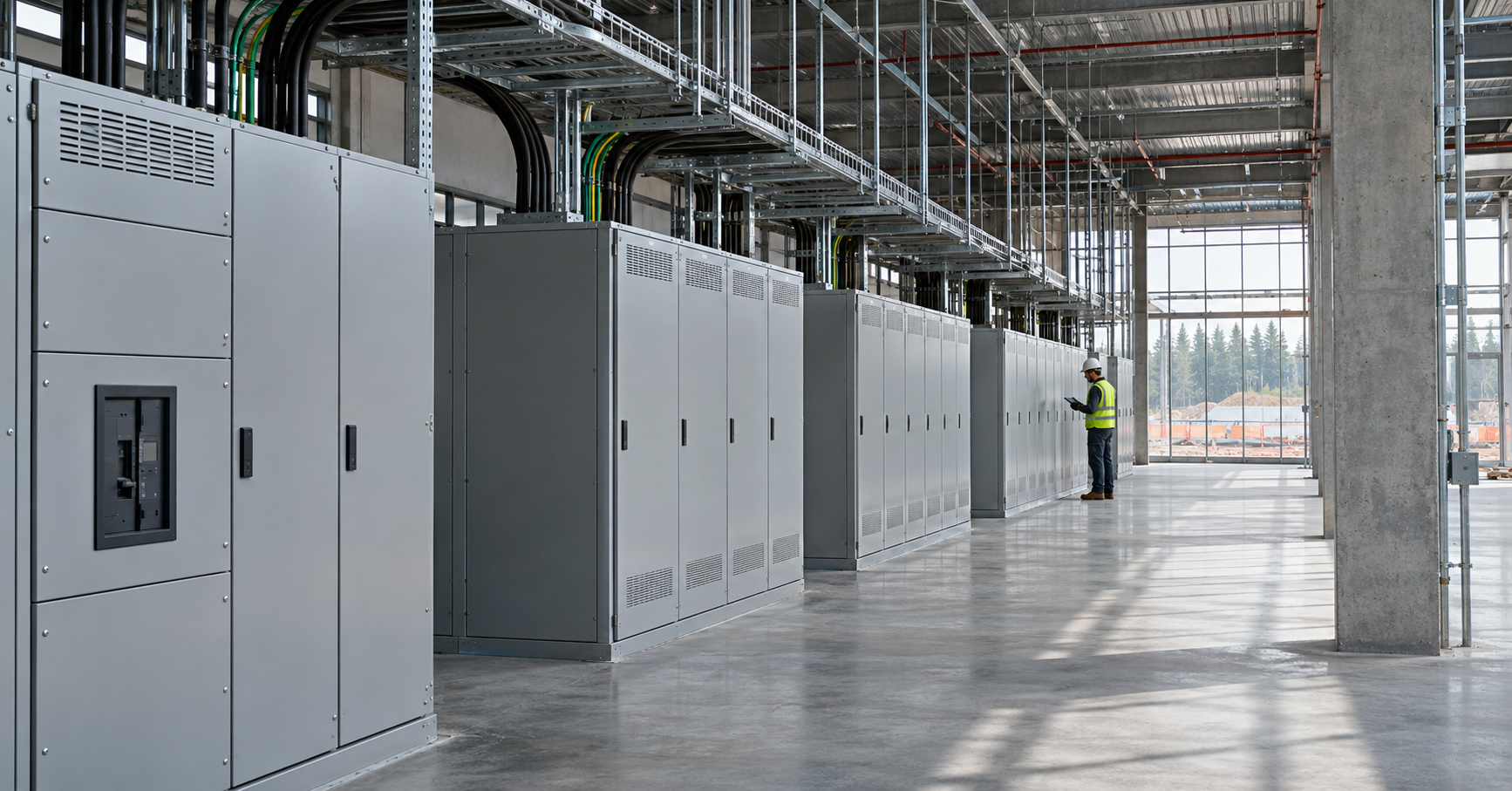
Dycom’s new Building Systems segment added $105.2 million of adjusted EBITDA in the fiscal third quarter ended October 31, 2026, more than offsetting a $13.0 million decline in Communications. In its November 24 results, Dycom reported that Communications revenue grew 11.2% despite the drop in segment earnings. The addition of the higher-margin Building Systems business lifted consolidated adjusted EBITDA by $92.2 million, while the group margin rose just four basis points year over year.
The acquisitions expanded Dycom’s role in data center construction. Its crews build the fiber routes that connect facilities and install power and cabling inside them. Even as the new work lifted adjusted EBITDA, consolidated operating cash flow fell to $14.1 million from $220.0 million a year earlier.
Two businesses with different margins
Communications builds and maintains networks for telecommunications providers and also serves utilities. It installs fiber to homes, builds long-distance routes and links data centers so that they can exchange large volumes of data. Building Systems works inside data centers and other critical facilities. Power Solutions brings electrical installation and related building systems, while National Technology Integrators adds low-voltage engineering and structured cabling, the organized wiring that connects equipment within a site.
Dycom bought Power Solutions during the quarter ended January 31, 2026, and National Technology Integrators during the quarter ended August 1, 2026. Its August-quarter filing put total consideration at $2.01 billion and $271.4 million, respectively. Both sellers received cash and Dycom shares.
| Fiscal third quarter, USD millions unless noted | FY2026 | FY2027 |
|---|---|---|
| Communications revenue | 1,451.8 | 1,614.6 |
| Communications adjusted EBITDA | 219.4 | 206.4 |
| Communications adjusted EBITDA margin | 15.1% | 12.8% |
| Building Systems revenue | — | 441.7 |
| Building Systems adjusted EBITDA | — | 105.2 |
| Building Systems adjusted EBITDA margin | — | 23.8% |
| Consolidated revenue | 1,451.8 | 2,056.3 |
| Consolidated adjusted EBITDA | 219.4 | 311.7 |
| Consolidated adjusted EBITDA margin | 15.1% | 15.2% |
The segment results put Building Systems at 21.5% of sales and 33.8% of adjusted EBITDA. Communications still produced nearly four-fifths of sales, so changes in the profitability of that work can offset gains at the smaller segment. Fiber-to-the-home, long-distance and data-center interconnect builds, and maintenance drove Communications growth. Management cited costs to scale operations and higher fuel prices as pressures on the segment’s margin.
Financing and customer credit reduced reported earnings
At group level, revenue increased 41.6%, while GAAP operating income rose 10.8% to $167.0 million from $150.7 million, calculated as revenue less operating costs. Depreciation and amortization increased by $52.8 million, including a $47.7 million increase in intangible amortization. Building Systems recorded $51.5 million of pretax income on its $441.7 million of revenue, an 11.7% margin, after $53.6 million of depreciation and amortization. That segment figure reflects its reported cost allocation. At the group level, net interest expense rose from $13.8 million to $39.0 million, and net income fell from $106.4 million to $96.2 million.
Dycom’s earnings reconciliation adds back $59.5 million of intangible amortization and a $22.7 million allowance for uncollectible receivables, then subtracts $20.4 million for the related tax effects, to arrive at $158.1 million of adjusted net income. A rural customer filed for Chapter 11 and another smaller customer encountered financial difficulty. The allowance reduced earnings without requiring a cash outlay when recorded. It reflects a separate economic cost from amortization because Dycom expects to collect less cash for work already booked.
More cash was tied up in work performed
Dycom’s cash-flow reconciliation shows that quarterly free cash flow fell from positive $172.4 million to negative $33.0 million. Operating cash flow declined by $205.9 million, and a slight decrease in net capital spending, from $47.6 million to $47.1 million, softened the impact. For the first nine months, operating cash flow fell to $93.2 million from $223.5 million, while free cash flow fell to negative $87.2 million from positive $68.2 million.
Accounts receivable and current contract assets grew by roughly $270 million combined between August 1 and October 31, to $2.77 billion. Contract assets include revenue earned for which the right to payment still depends on meeting contractual conditions. Dycom’s days sales outstanding, which measures those and related balances relative to daily sales, increased to 112 days from 105 a year earlier. The cash-flow figures are consolidated, so the disclosures give no breakdown of the shortfall by segment.
Cash fell from $340.1 million on August 1 to $202.8 million on October 31. Dycom spent $100.5 million on buybacks during the quarter alongside its $33.0 million free cash outflow, with no acquisition payments. Face-value debt and finance leases totaled $2.84 billion on October 31, with the revolver undrawn. The two largest uses of cash were the buyback and the cash absorbed by the business after net equipment spending.
What the backlog can deliver
Dycom’s reported backlog rose from $8.22 billion to $12.91 billion year over year. Of the $4.69 billion increase, $1.72 billion came from Building Systems, where backlog consists of remaining work on firm fixed-price or modified fixed-price orders. The rest came from Communications, where estimates under master service agreements can draw on past work volumes. Building Systems accounts for 13% of total backlog and 19% of the $6.72 billion expected to turn into revenue within the next 12 months. The mix puts a larger share of the new segment’s work within the nearer revenue window.
Management raised fiscal 2027 revenue guidance to $7.66 billion–$7.73 billion from $7.48 billion–$7.66 billion in August. Building Systems’ range moved up to $1.66 billion–$1.69 billion from $1.58 billion–$1.65 billion. With $1.23 billion recorded through October, the revised range implies about $425 million–$455 million of fourth-quarter segment revenue, close to the third quarter’s $442 million. Management expects a seasonal step down in consolidated results, citing the holidays, reduced daylight and winter weather. The January quarter also has 13 weeks versus 14 a year earlier.
In its initial fiscal 2028 outlook, management expects Building Systems revenue to grow by a high-teens percentage or more, with adjusted EBITDA margins in the high teens to low twenties. That range sits below the latest quarter’s 23.8%, even as management expects Communications margins to improve. Building Systems enters the next 12 months with $1.29 billion of work that Dycom expects to recognize as revenue. As that work progresses, a shorter collection period and sustained positive free cash flow at the group level would show that more cash is available for debt repayment or reinvestment.
This material is provided for informational and educational purposes only and does not constitute investment advice or a recommendation to buy or sell any security.
Companies Discussed
About AER Insights
Alliance Equity Research publishes timely insights on company-specific developments, industry trends, capital markets activity, and emerging investment themes across global public markets, with a particular focus on undercovered companies, sectors, and developments that often receive limited attention from mainstream financial research. Our analysis focuses on the financial, strategic, and valuation implications behind the headlines, using company disclosures, filings, market data, and sector context to help investors understand what matters, why it matters, and what to watch next.
Get AER Insights by Email
Receive new AER Insights and research updates in your inbox.
Related Insights
 Mining & Critical Minerals
Selkirk Copper’s Convertible Financing Advances Minto Ahead of a Restart Decision
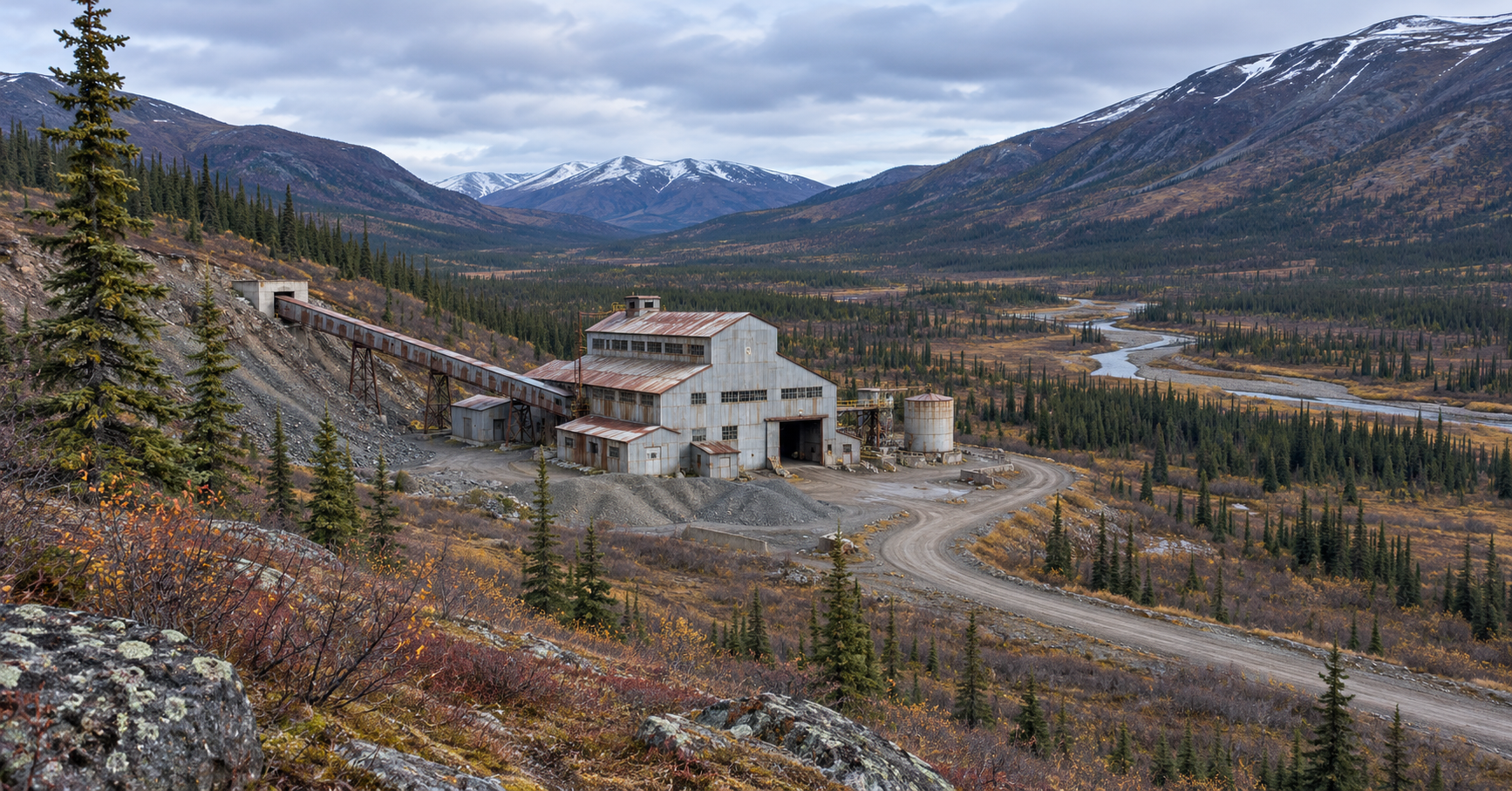
Selkirk Copper has agreed to a US$30 million convertible financing with Queen’s Road Capital as it prepares to reopen the former Minto copper mine in Yukon. The proposed debenture would fund exploration, development and restart work. At the announced exchange rate, its gross proceeds equal about 23% of the preliminary construction estimate. Selkirk would pay an 8.5% cash coupon and another 2.5% in shares. The financing gives Selkirk more room to advance feasibility and permitting, while the revised construction budget and terms of any concentrate financing will determine how much more capital the restart needs.
 Mining & Critical Minerals
Blue Moon’s Turner Acquisition Adds Ore Potential for a New Nevada Mill
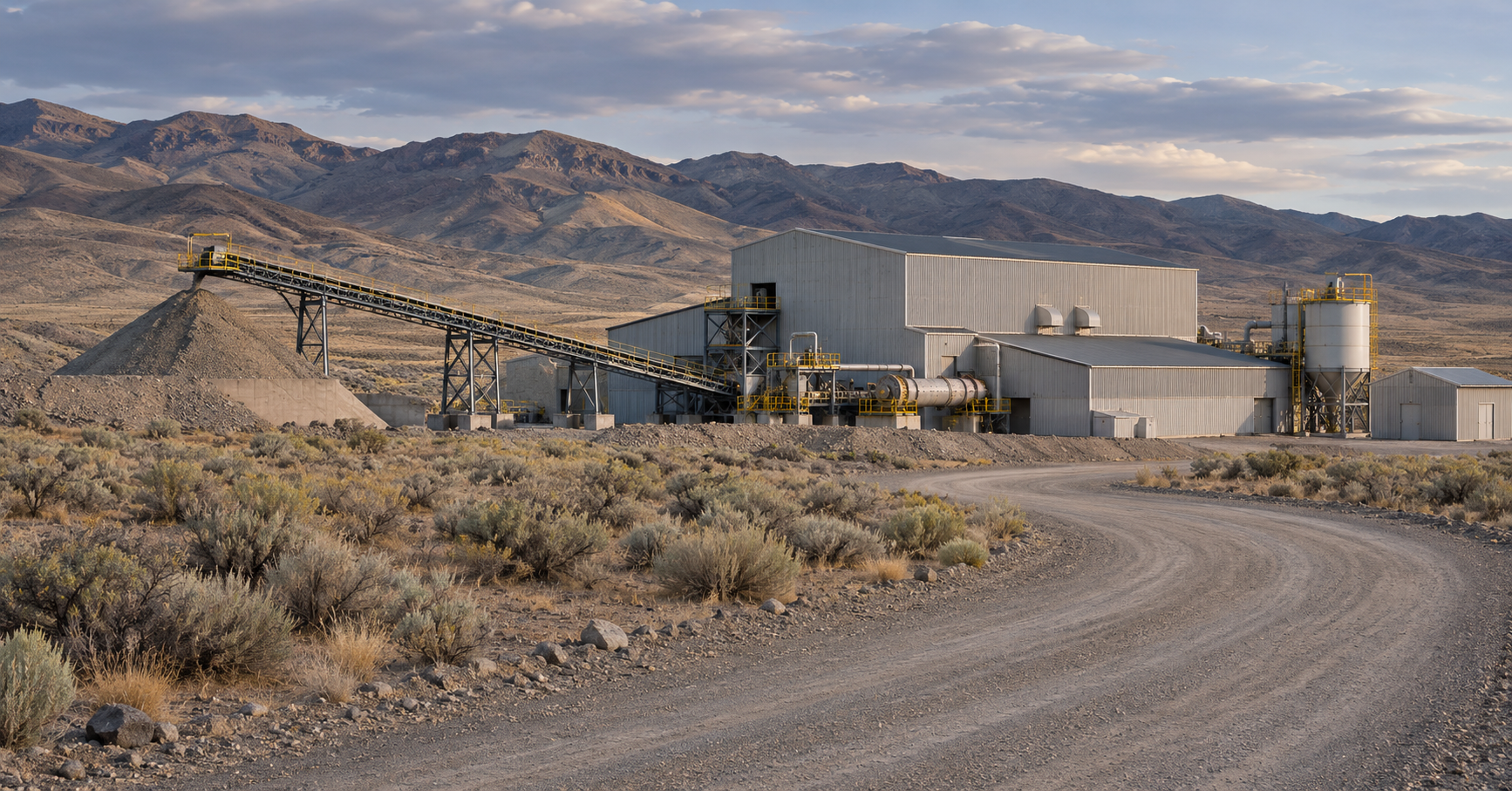
Blue Moon Metals has acquired the Turner copper-gold deposit in Oregon and plans to study processing its ore alongside material from the company’s California mine at a new mill in Nevada. Sharing a mill could spread construction and operating costs across two mines, but the study must show that rail transport and recoveries leave enough value to justify the investment. The purchase adds 4.78 million shares and $7 million in deferred cash payments whose timing depends on permits and production. The existing tungsten mill at the Nevada site is on a separate restart schedule.
 Industrials & Aerospace
MasTec’s $1.25 Billion Murphy Deal Adds Maintenance Work That Outlasts Construction
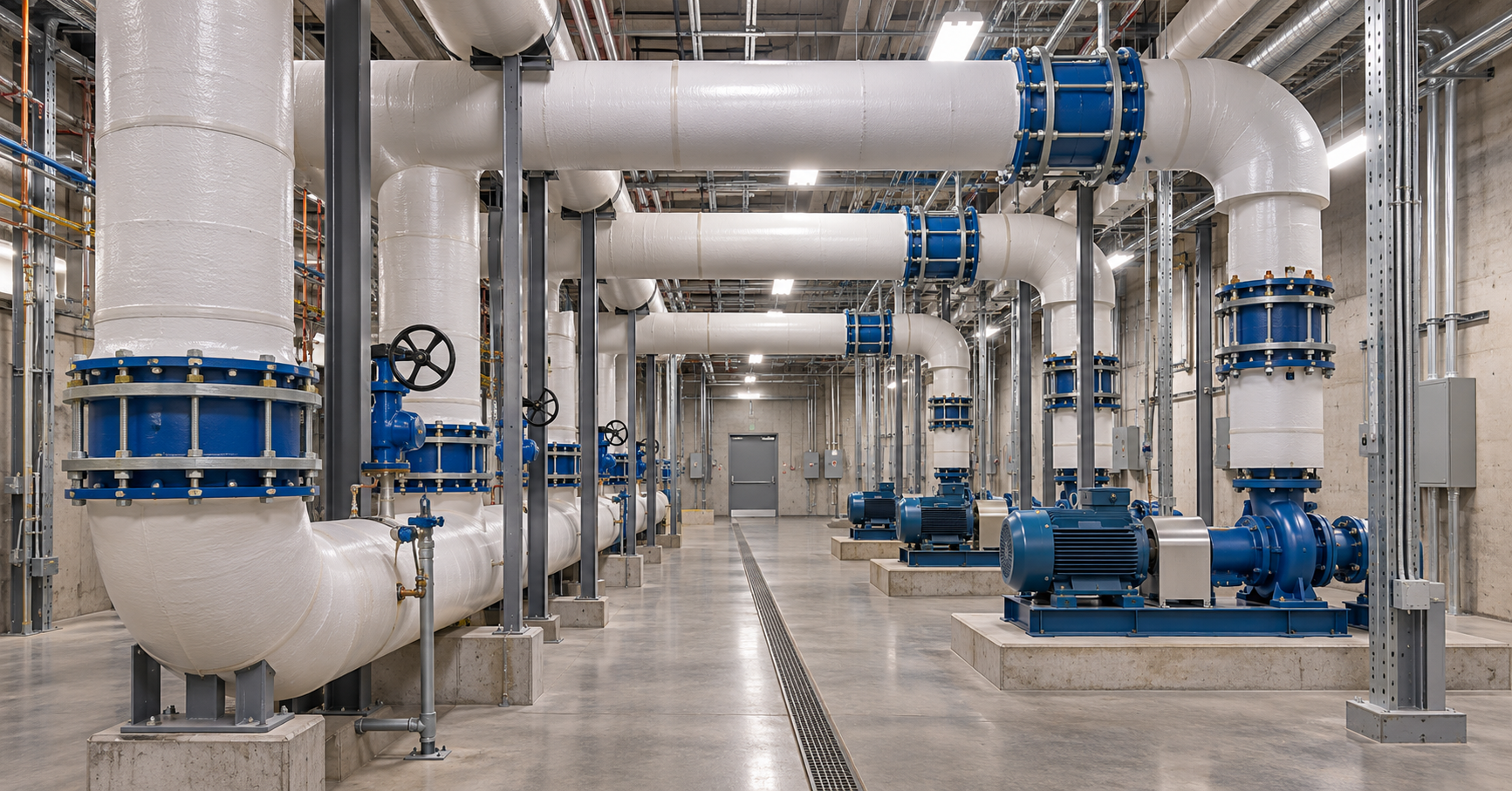
MasTec agreed to pay approximately $1.25 billion in cash for Murphy, a mechanical contractor that installs and maintains systems in data centers, hospitals, factories and other facilities. Murphy’s projected $140 million of 2026 adjusted EBITDA implies an upfront price of about 8.9 times that figure, before a possible earnout. The acquisition adds skilled crews and gives MasTec a route to service work after construction ends. The price reflects earnings that have yet to be realized for the full year. The cash Murphy contributes after financing costs, equipment spending and working capital will help determine how quickly MasTec can reduce leverage.
 Industrials & Aerospace
AdvanSix’s Rising Sales Mask Weaker Earnings as Ammonia Expansion Advances
AdvanSix reported higher third-quarter sales as it passed through rising raw-material costs, but lower production and input inflation reduced earnings. The U.S. manufacturer supplies nylon materials, fertilizers and industrial chemicals through an integrated network. Quarterly cash flow improved with help from working-capital movements, while free cash flow remained negative for the first nine months. A proposed federal grant could support a multiyear ammonia expansion. The company’s near-term cash position depends on customer advances, spending and operating performance, while the expansion remains subject to federal review.
About Alliance Equity Research
Alliance Equity Research publishes independent and company-sponsored equity research on undercovered, emerging, and high-potential public companies globally. Our analyst-built, model-backed research combines fundamental business analysis, financial forecasting, and valuation.
Email: info@alliancekp.com · Website: https://allianceequityresearch.com
For detailed company research, financial models, or coverage inquiries, contact our research team.
Research commentary for informational purposes. This document does not constitute personalized investment advice or a Buy, Hold, or Sell recommendation. For important disclosures, including information about research sponsorship and potential conflicts of interest, visit allianceequityresearch.com/disclosures.